
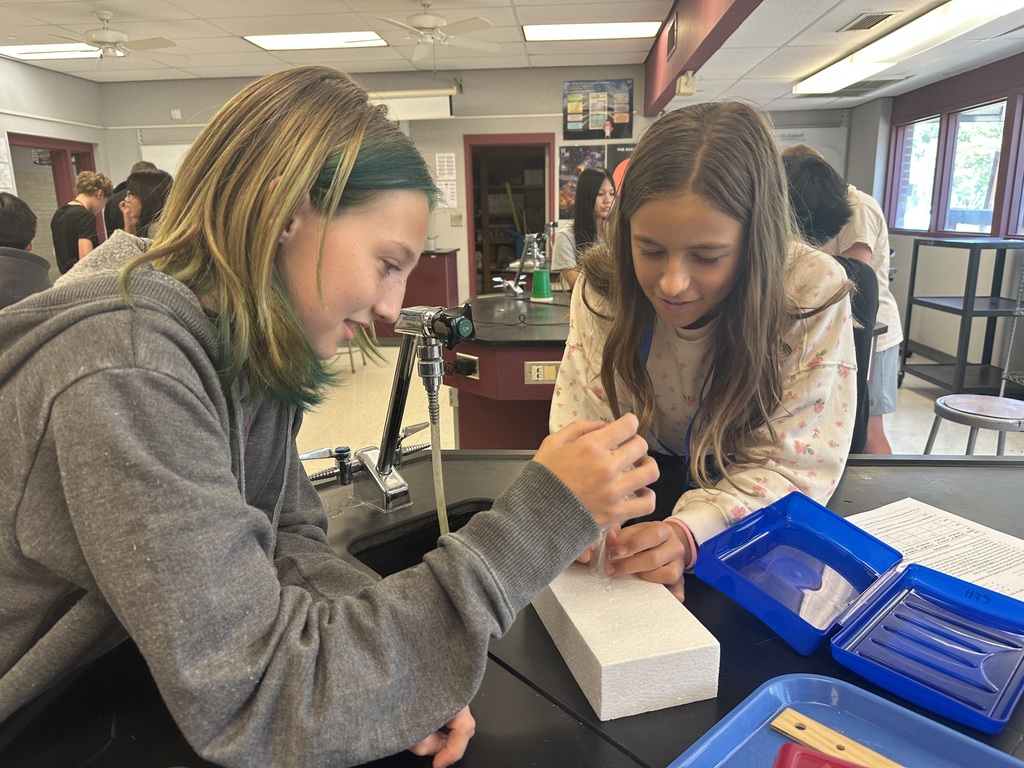
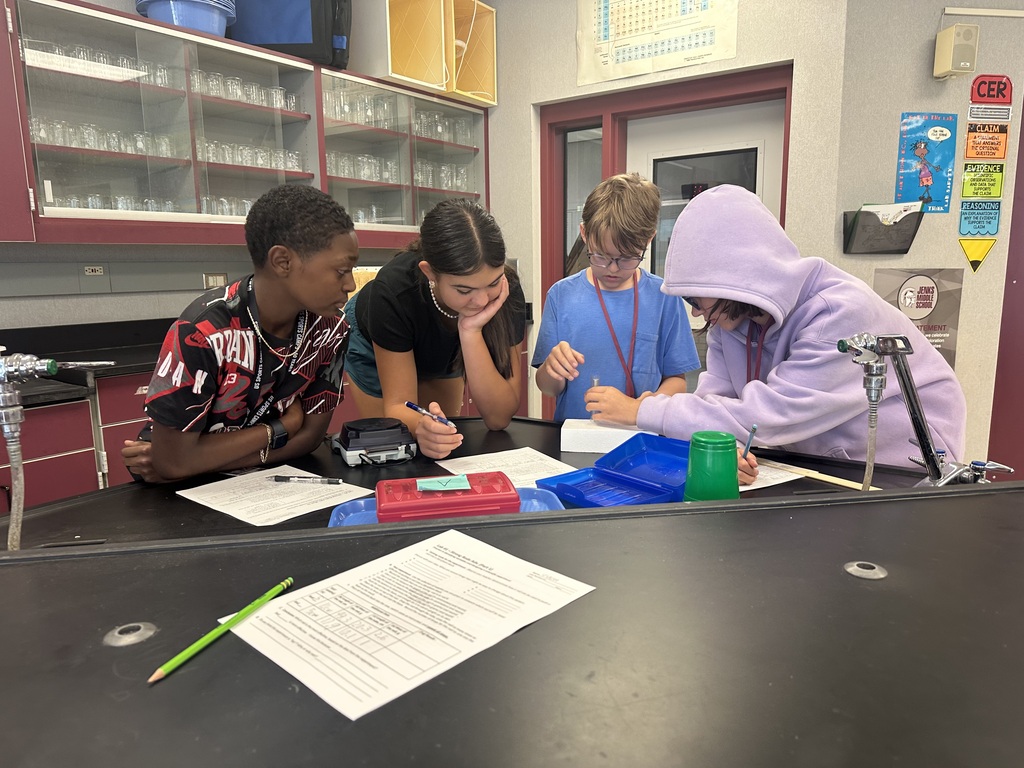
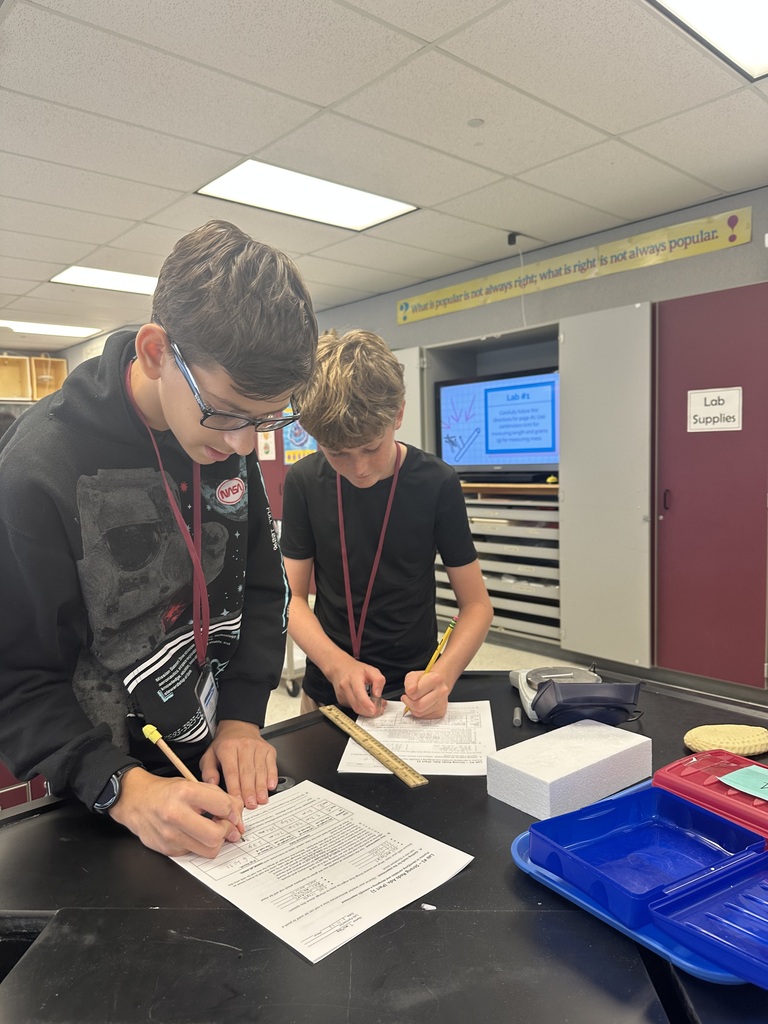
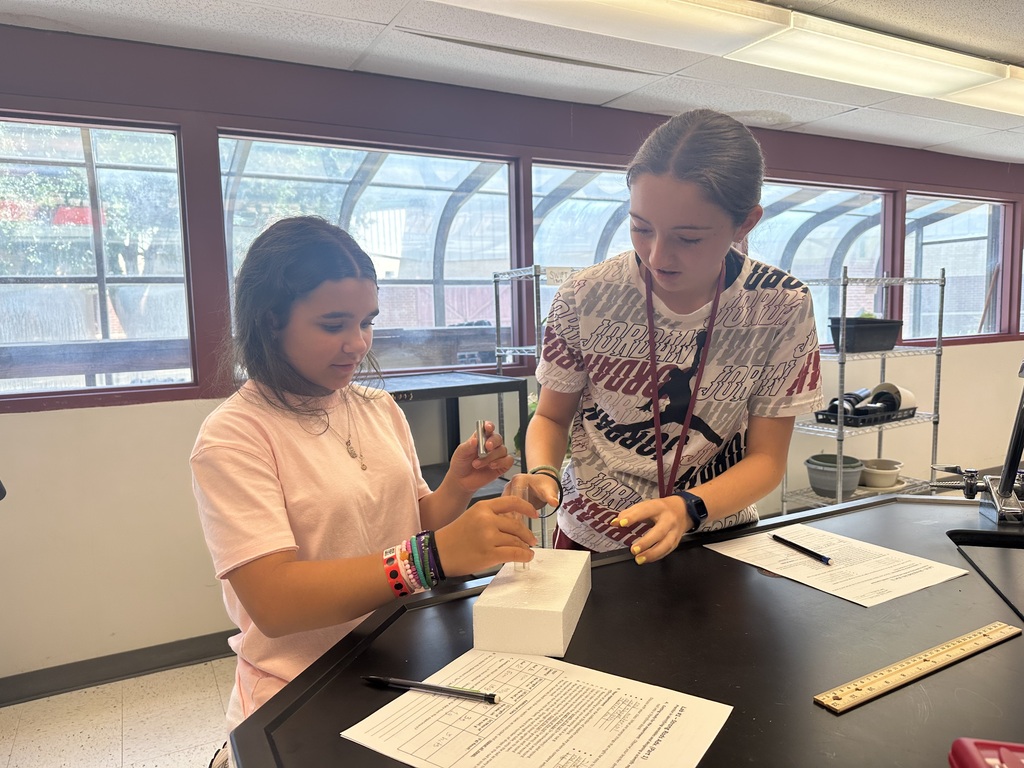
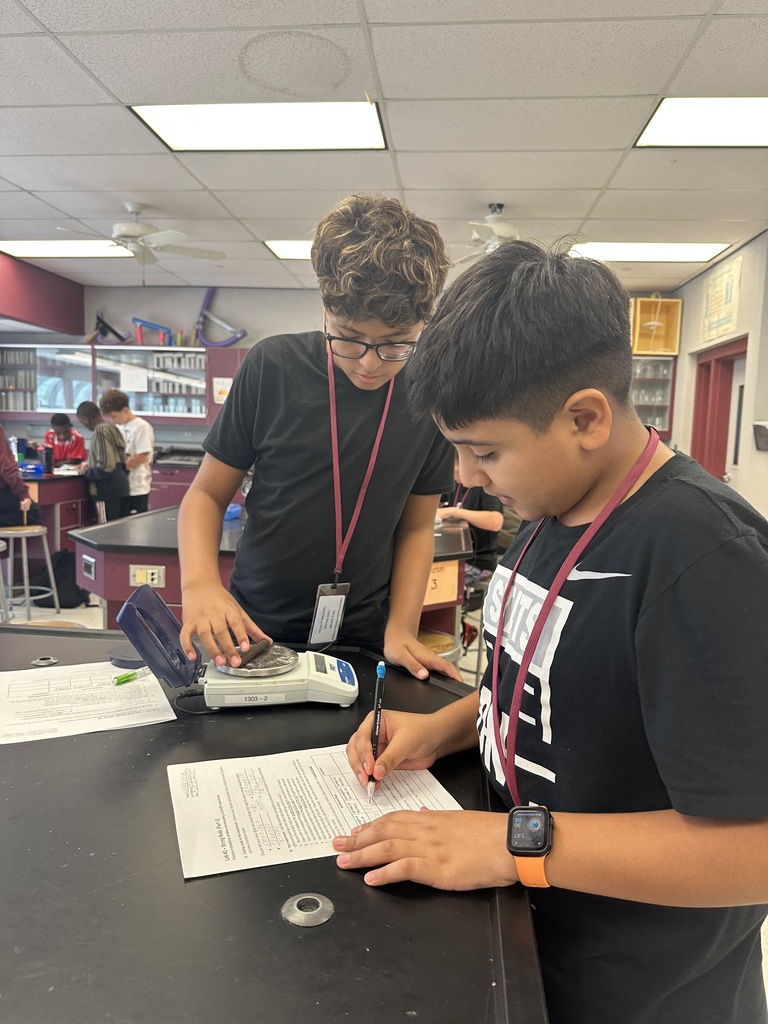
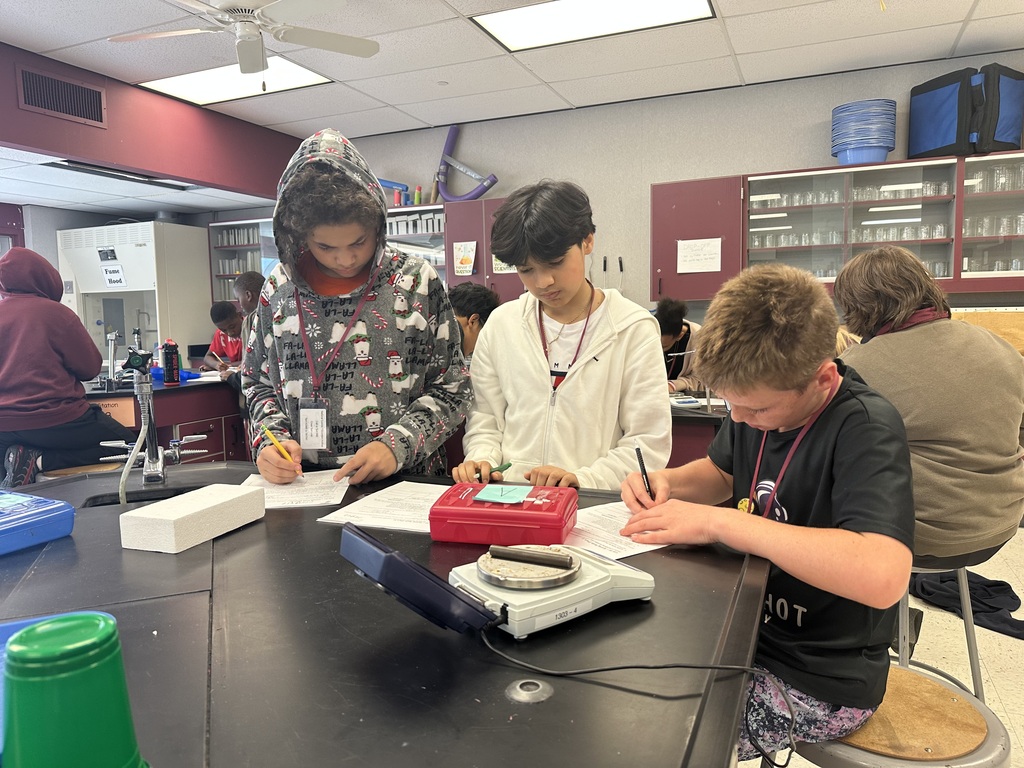
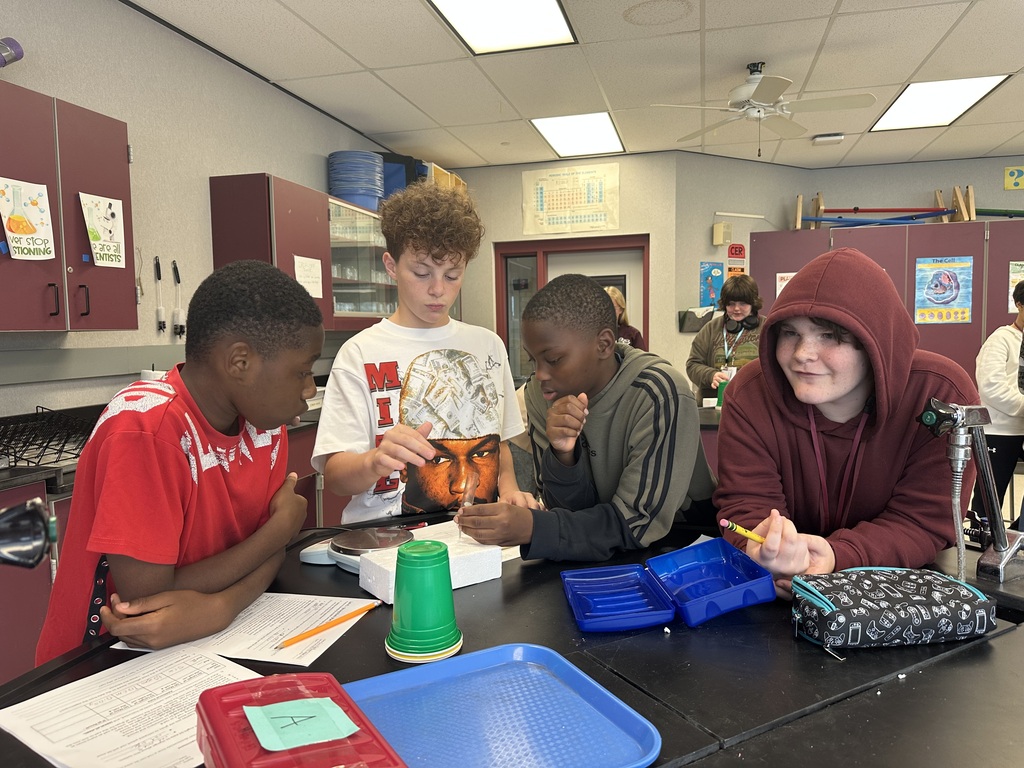
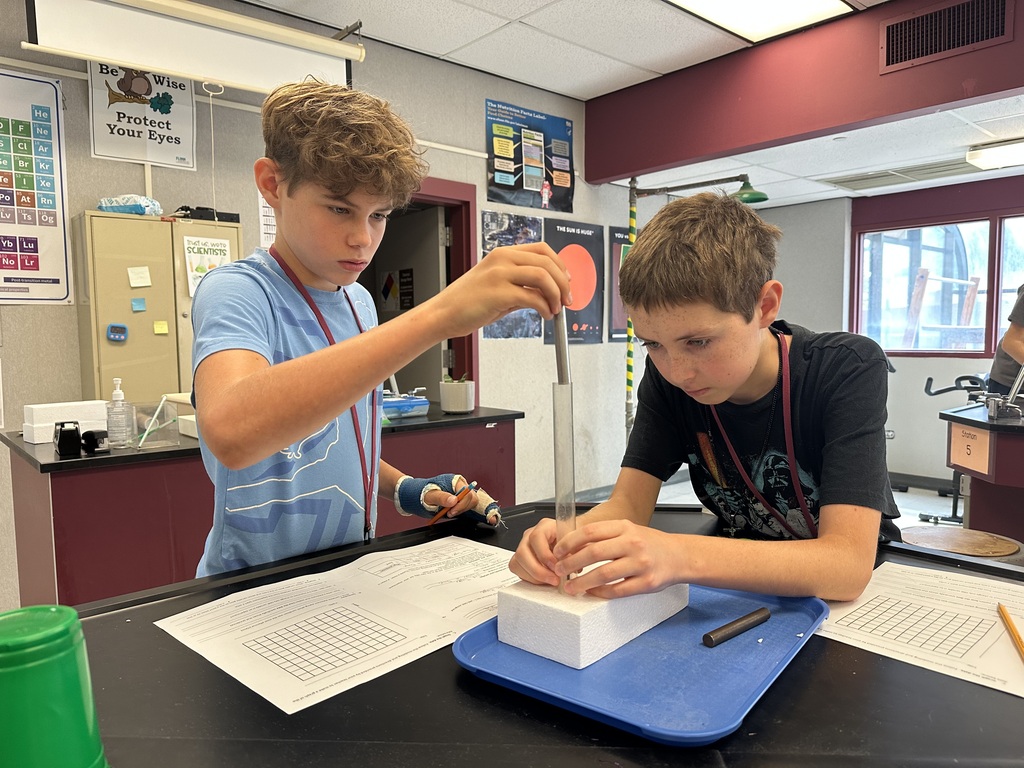
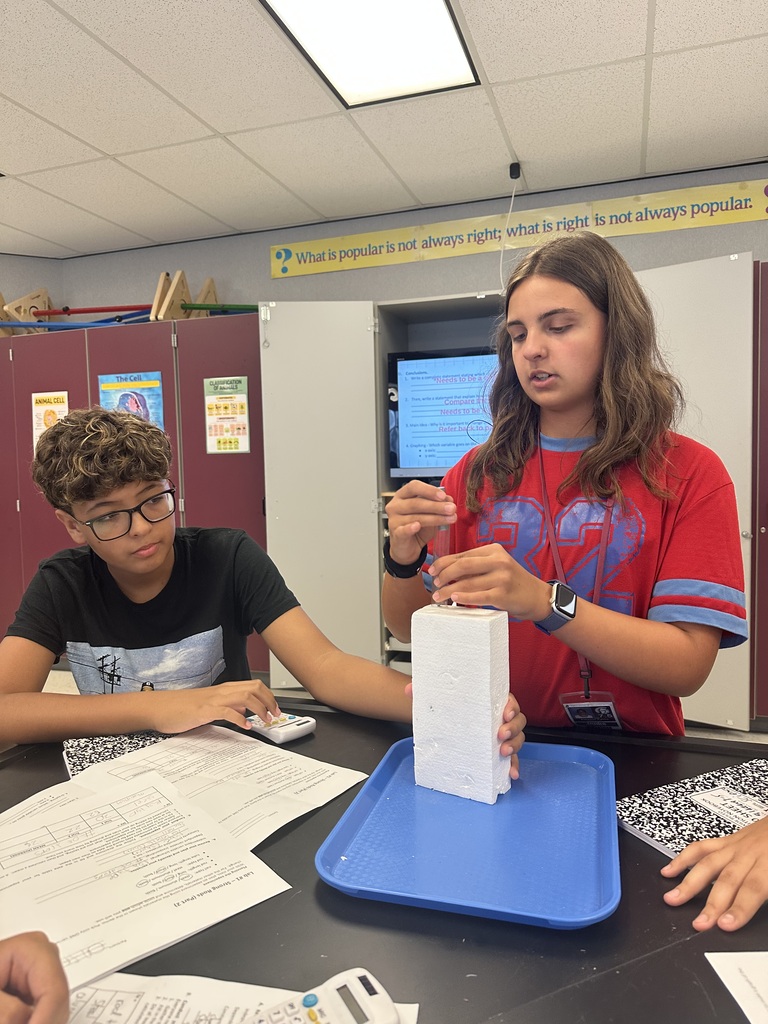
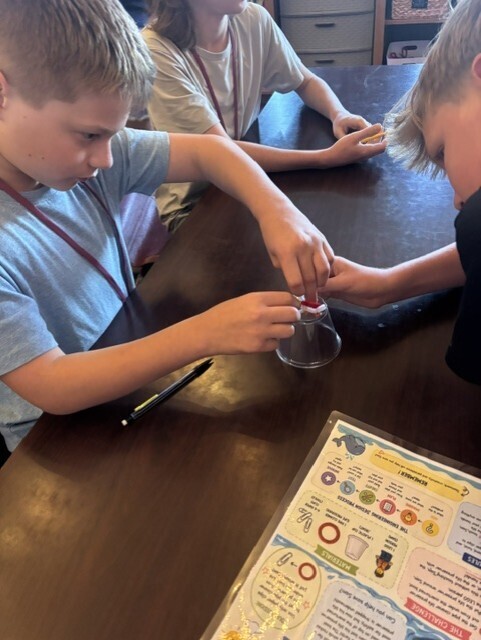
Students in Mrs. Swift’s 7-5 Science classes completed their first lab of the year last week and Monday—and it was a success! 🎉
Students designed their own experiments to test the efficiency of different metal rods, nails, and tubes to determine which were most effective at driving a nail into a Styrofoam block. Along the way, students learned an important part of experimental design: why it’s essential to change only ONE variable at a time so that we can accurately determine what caused the results.
Students also practiced creating data tables and graphs to organize and analyze their findings. It was a fun, hands-on way to kick off the year and start thinking like scientists! 👩🔬👨🔬📊
Students designed their own experiments to test the efficiency of different metal rods, nails, and tubes to determine which were most effective at driving a nail into a Styrofoam block. Along the way, students learned an important part of experimental design: why it’s essential to change only ONE variable at a time so that we can accurately determine what caused the results.
Students also practiced creating data tables and graphs to organize and analyze their findings. It was a fun, hands-on way to kick off the year and start thinking like scientists! 👩🔬👨🔬📊
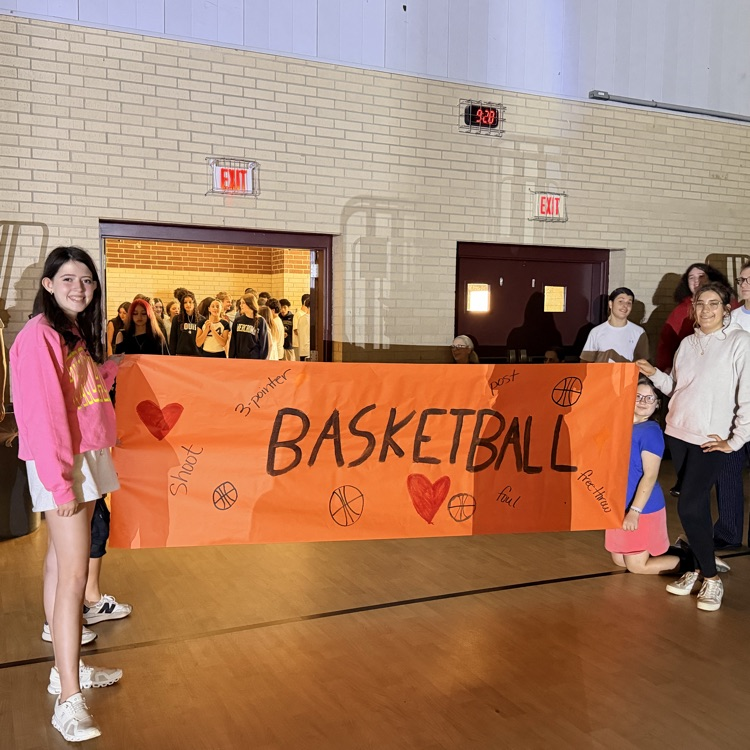
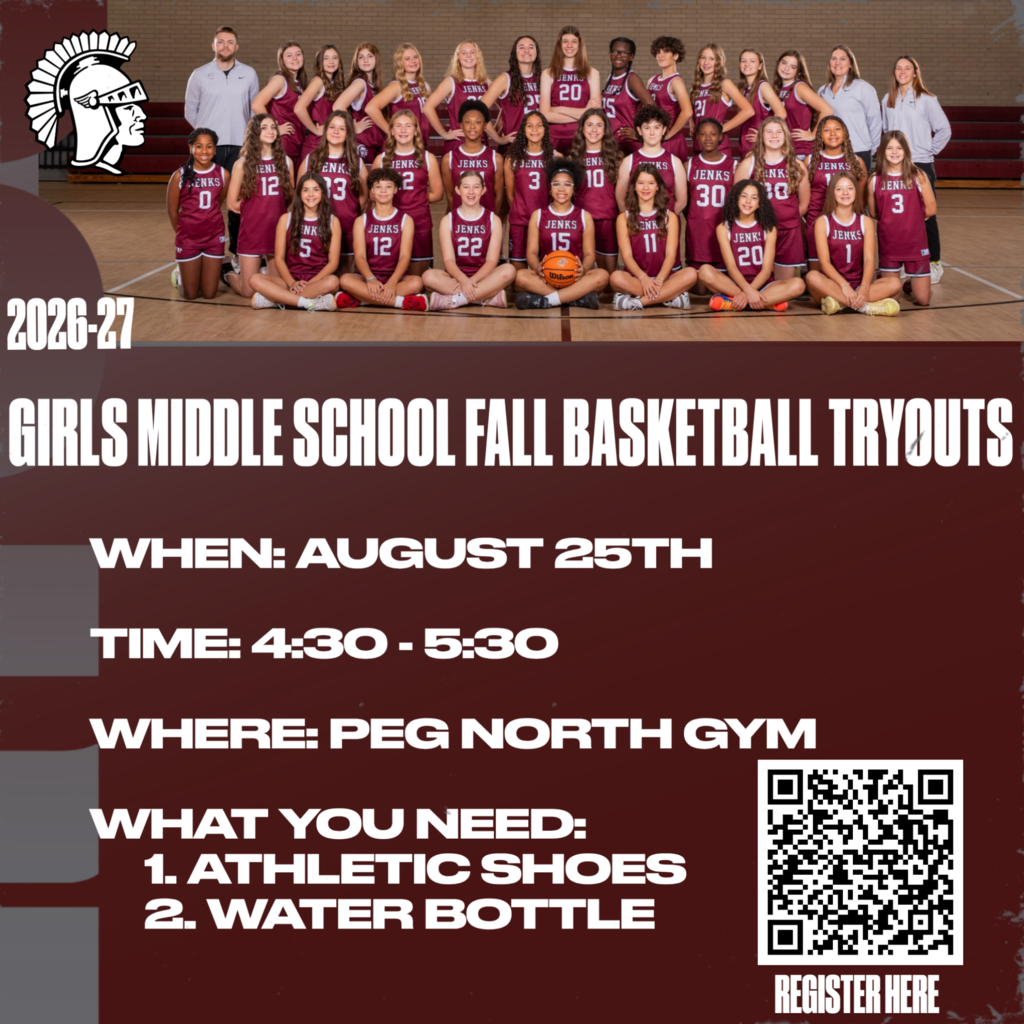
Calling all Lady Trojans who want to try out for Basketball! 🏀
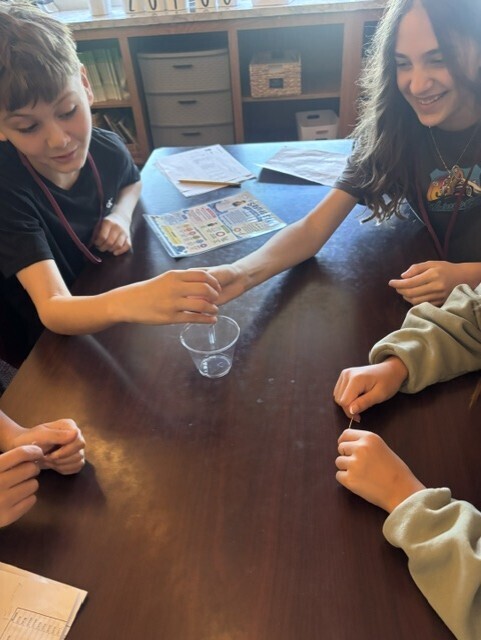
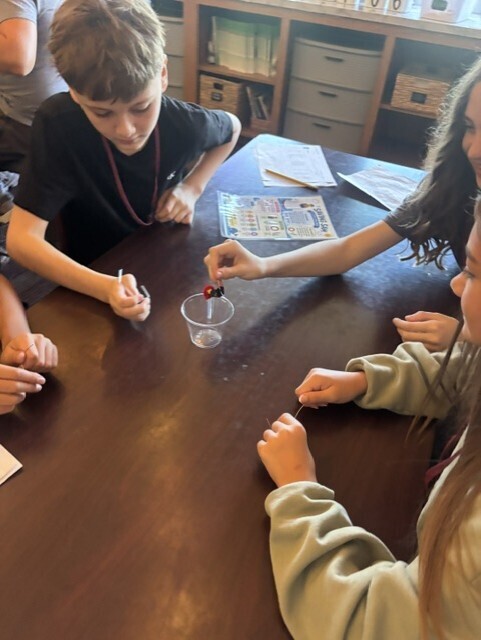
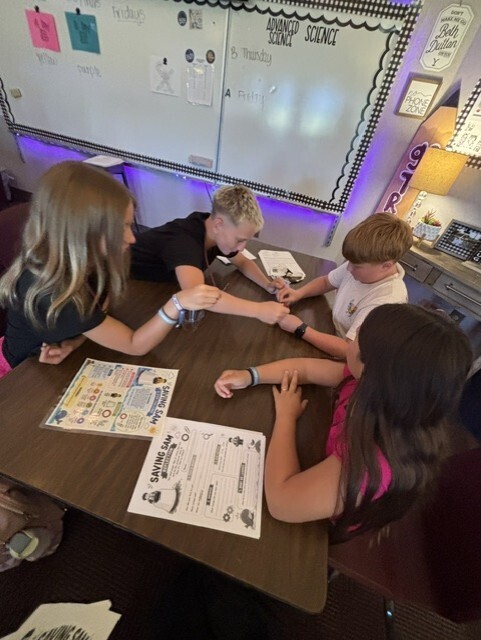
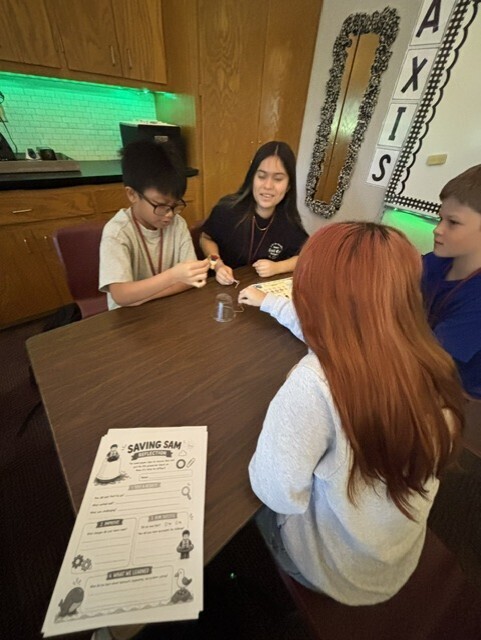
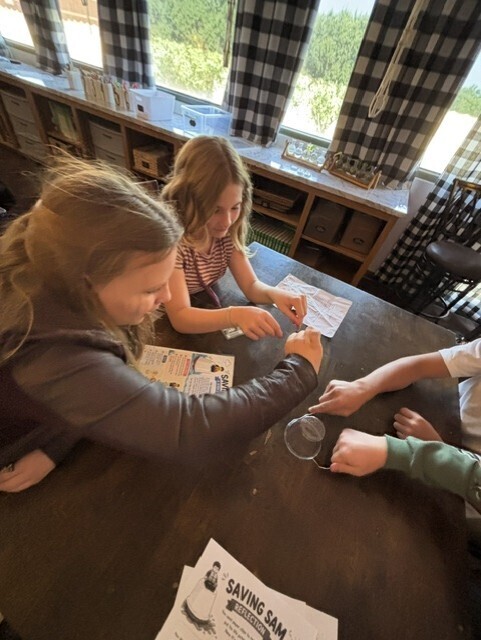
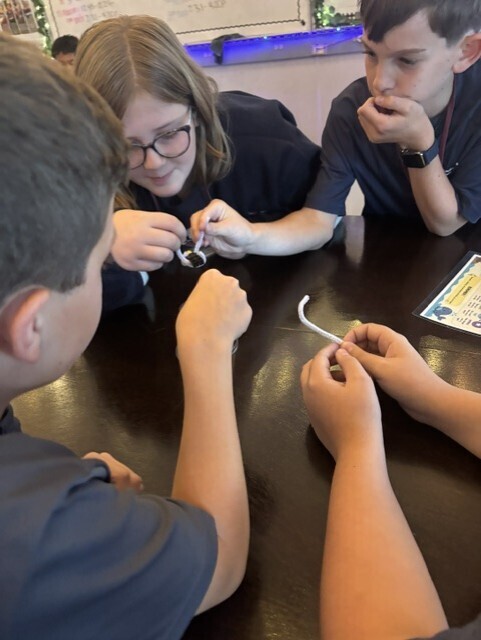
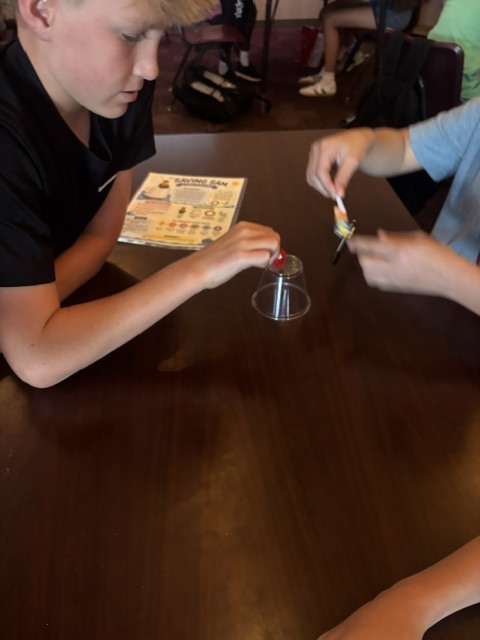
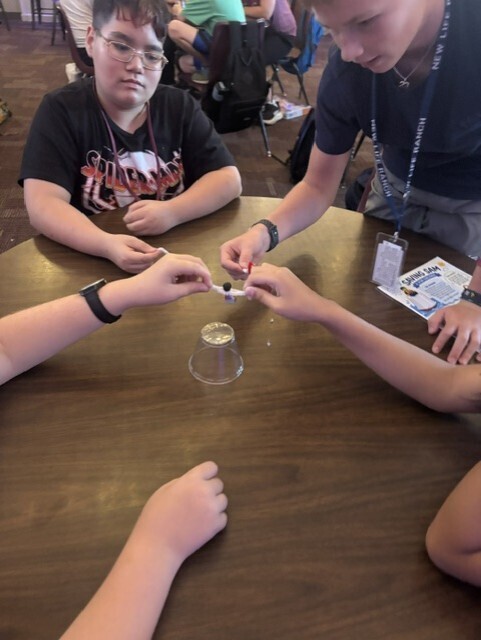
Ms. Baker's class had fun doing their Saving Sam team-building activity. Students practiced communication, problem-solving, patience, and cooperation as they worked together to save Sam. It was a fun way to build teamwork and start strengthening the classroom community! 🛟🌊
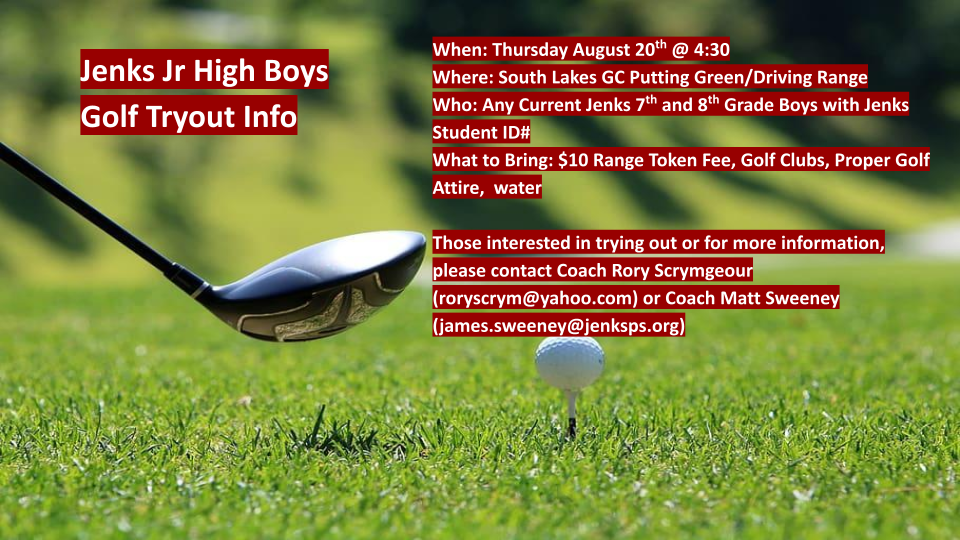
Boys golf info
⛳
⛳
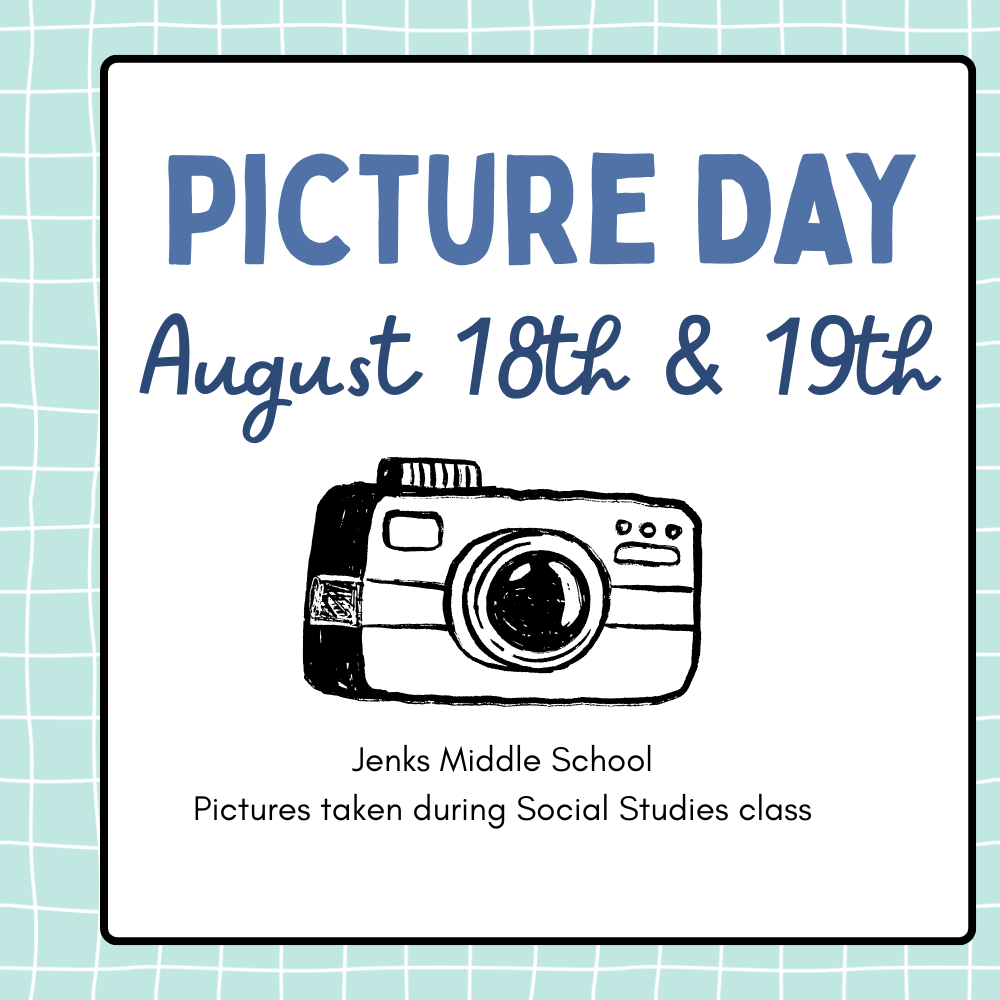
Fall picture Day is next week!
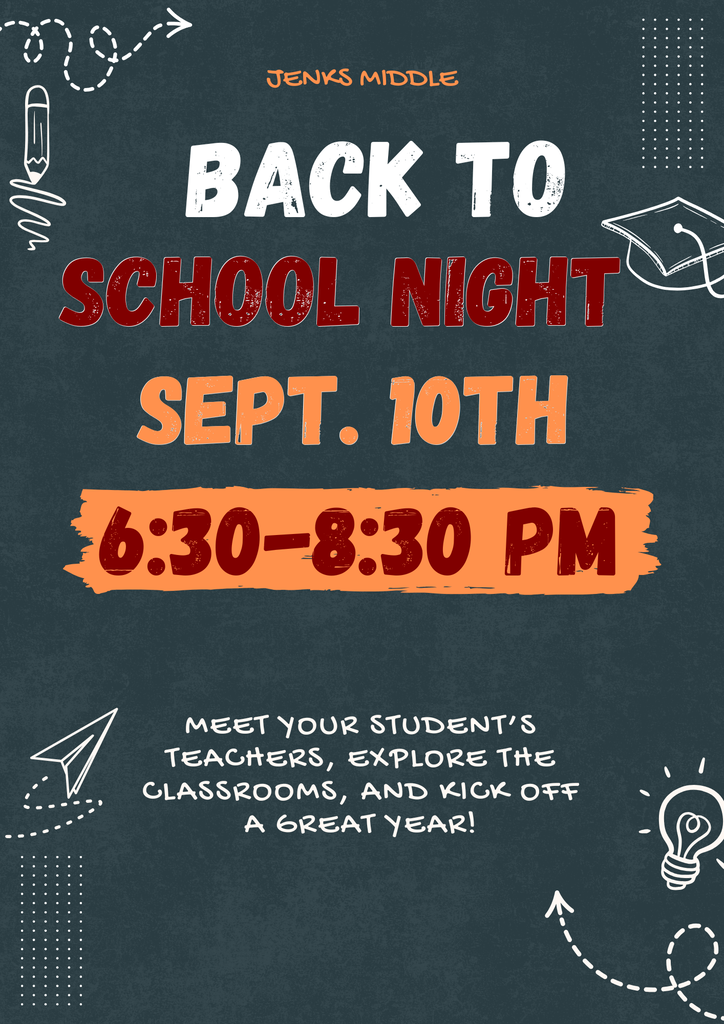
Mark your calendars!
Parents & Guardians will have the opportunity to follow their student's schedule and spend time in each classroom getting a feel for the teacher and course expectations.
Parents & Guardians will have the opportunity to follow their student's schedule and spend time in each classroom getting a feel for the teacher and course expectations.
Q: What is Student Council & why should I join?
A: StuCo is a student-led group of 7th & 8th graders who plan, organize, and participate in school spirit events.
Plan events: Stuco organizes school activities and events that promote school spirit and community well-being
Share ideas: Stuco acts as a voice for the student body, sharing ideas, interests, and concerns with the school
Develop leadership: Stuco provides students with opportunities to develop leadership skills
The skills students learn are:
Leadership
Communication & public speaking
Teamwork and Collaboration
Decision making
Creating friendships
Making a school impact
We have a regular morning meeting once a month during school. We also have before school and/or lunch projects when needed.
Activities we do:
Staff V Student Basketball Battle
Plan spirit week days
Pie a teacher
Winter Door decorating contest
StuCo loves Staff Valentines service project
Karaoke lunches
Help with pep rallies
Halloween Costume Contest
The cost to join StuCo is $15. This fee includes your t-shirt for the year and admission into the Staff vs. Student basketball battle. If you decide to attend the state conference, there will be additional fees. The deadline to join will be at our September meeting.
Join by visiting PowerSchool Parent Portal - Purchases & Payments -Jenks Middle School - course fees. The deadline to sign up is 9/9/26.
A: StuCo is a student-led group of 7th & 8th graders who plan, organize, and participate in school spirit events.
Plan events: Stuco organizes school activities and events that promote school spirit and community well-being
Share ideas: Stuco acts as a voice for the student body, sharing ideas, interests, and concerns with the school
Develop leadership: Stuco provides students with opportunities to develop leadership skills
The skills students learn are:
Leadership
Communication & public speaking
Teamwork and Collaboration
Decision making
Creating friendships
Making a school impact
We have a regular morning meeting once a month during school. We also have before school and/or lunch projects when needed.
Activities we do:
Staff V Student Basketball Battle
Plan spirit week days
Pie a teacher
Winter Door decorating contest
StuCo loves Staff Valentines service project
Karaoke lunches
Help with pep rallies
Halloween Costume Contest
The cost to join StuCo is $15. This fee includes your t-shirt for the year and admission into the Staff vs. Student basketball battle. If you decide to attend the state conference, there will be additional fees. The deadline to join will be at our September meeting.
Join by visiting PowerSchool Parent Portal - Purchases & Payments -Jenks Middle School - course fees. The deadline to sign up is 9/9/26.
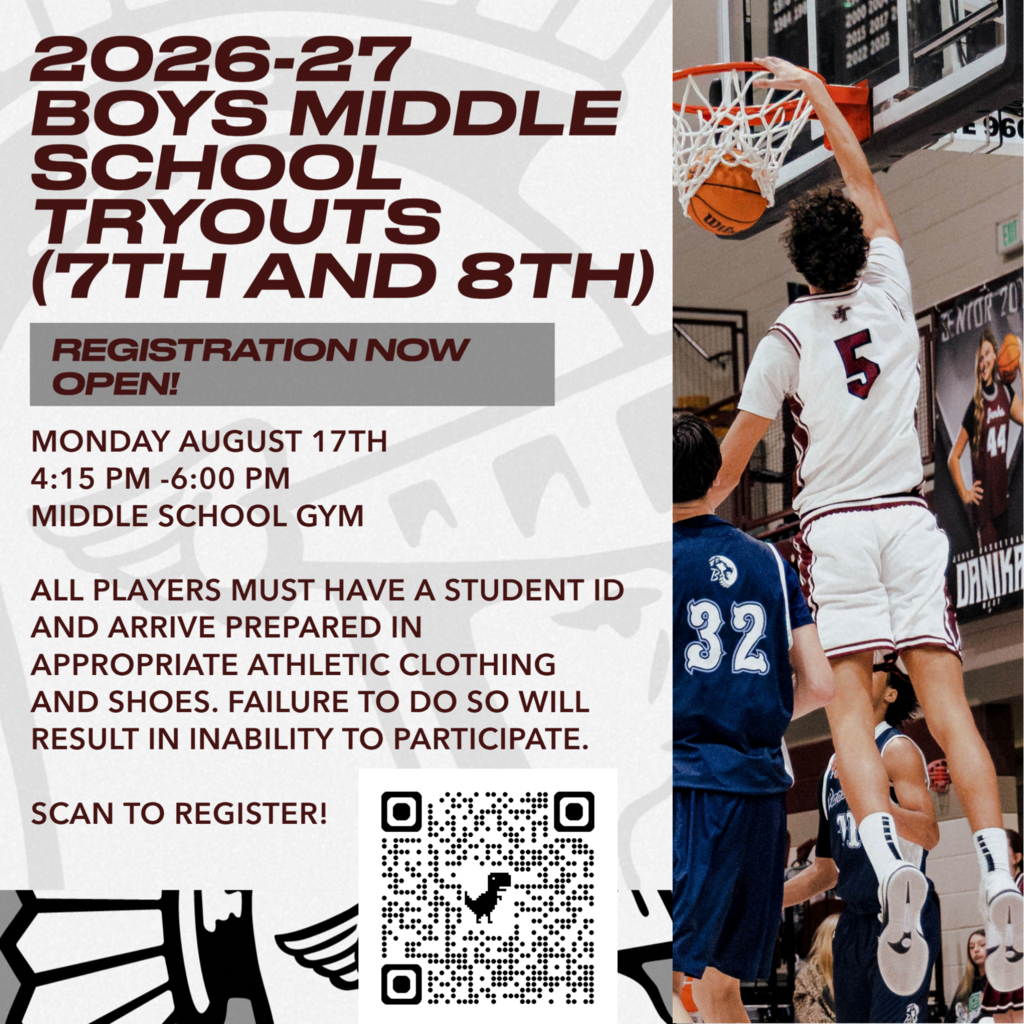
Interested in trying out for the boys' basketball team? 🏀
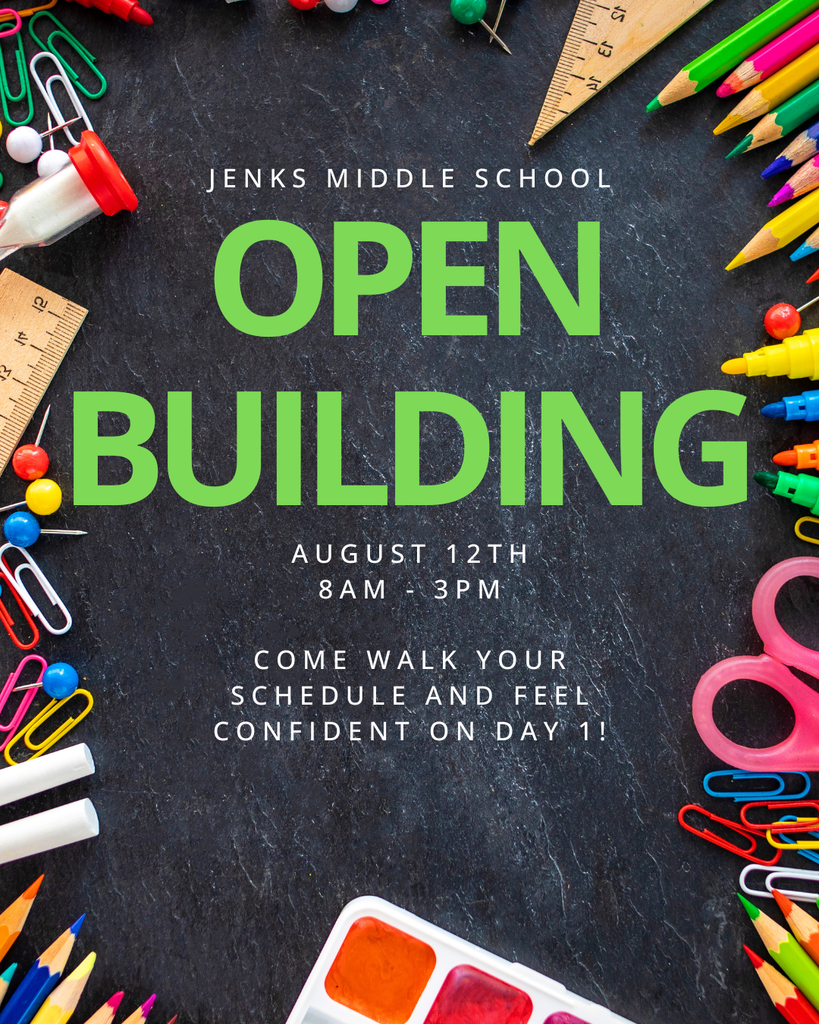
Tomorrow
8.12.26
8.12.26
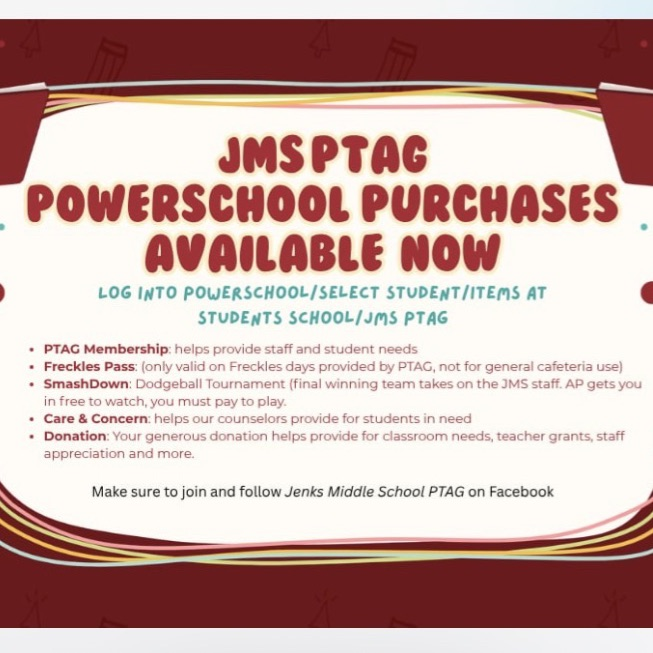
From our PTAG...
Q: What is Student Council & why should I join?
A: StuCo is a student-led group of 7th & 8th graders who plan, organize, and participate in school spirit events.
Plan events: Stuco organizes school activities and events that promote school spirit and community well-being
Share ideas: Stuco acts as a voice for the student body, sharing ideas, interests, and concerns with the school
Develop leadership: Stuco provides students with opportunities to develop leadership skills
The skills students learn are:
Leadership
Communication & public speaking
Teamwork and Collaboration
Decision making
Creating friendships
Making a school impact
We have a regular morning meeting once a month during school. We also have before school and/or lunch projects when needed.
Activities we do:
Staff V Student Basketball Battle
Plan spirit week days
Pie a teacher
Winter Door decorating contest
StuCo loves Staff Valentines service project
Karaoke lunches
Help with pep rallies
Halloween Costume Contest
The cost to join StuCo is $15. This fee includes your t-shirt for the year and admission into the Staff vs. Student basketball battle. If you decide to attend the state conference, there will be additional fees. The deadline to join will be at our September meeting.
Join by visiting PowerSchool Parent Portal - Purchases & Payments -Jenks Middle School - course fees.
A: StuCo is a student-led group of 7th & 8th graders who plan, organize, and participate in school spirit events.
Plan events: Stuco organizes school activities and events that promote school spirit and community well-being
Share ideas: Stuco acts as a voice for the student body, sharing ideas, interests, and concerns with the school
Develop leadership: Stuco provides students with opportunities to develop leadership skills
The skills students learn are:
Leadership
Communication & public speaking
Teamwork and Collaboration
Decision making
Creating friendships
Making a school impact
We have a regular morning meeting once a month during school. We also have before school and/or lunch projects when needed.
Activities we do:
Staff V Student Basketball Battle
Plan spirit week days
Pie a teacher
Winter Door decorating contest
StuCo loves Staff Valentines service project
Karaoke lunches
Help with pep rallies
Halloween Costume Contest
The cost to join StuCo is $15. This fee includes your t-shirt for the year and admission into the Staff vs. Student basketball battle. If you decide to attend the state conference, there will be additional fees. The deadline to join will be at our September meeting.
Join by visiting PowerSchool Parent Portal - Purchases & Payments -Jenks Middle School - course fees.
It's that time.....Back to School information!!!
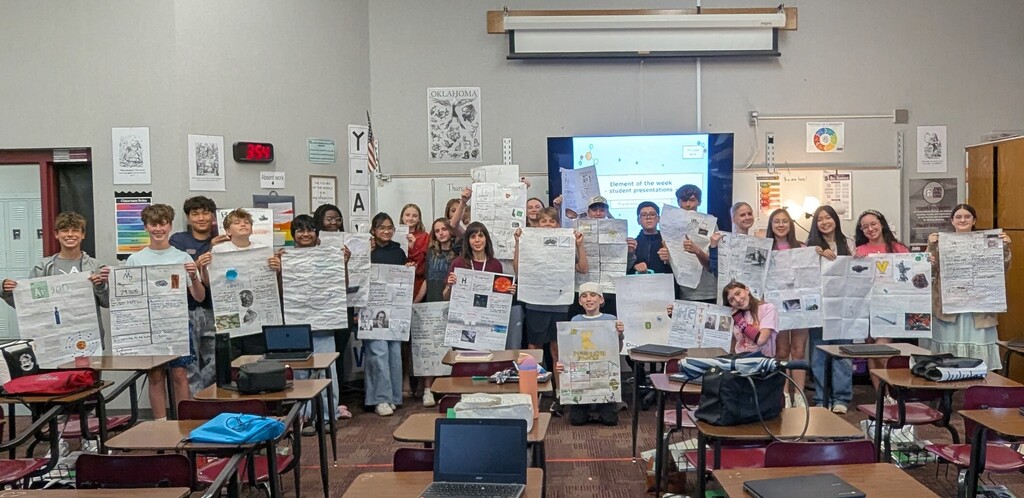
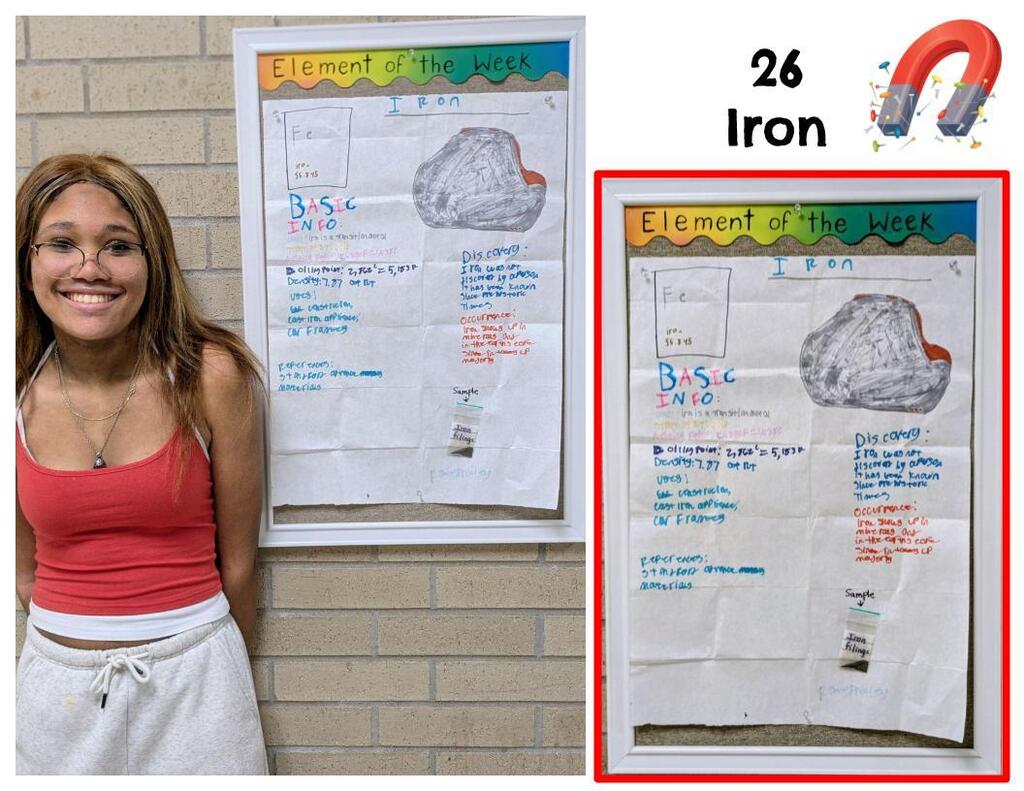
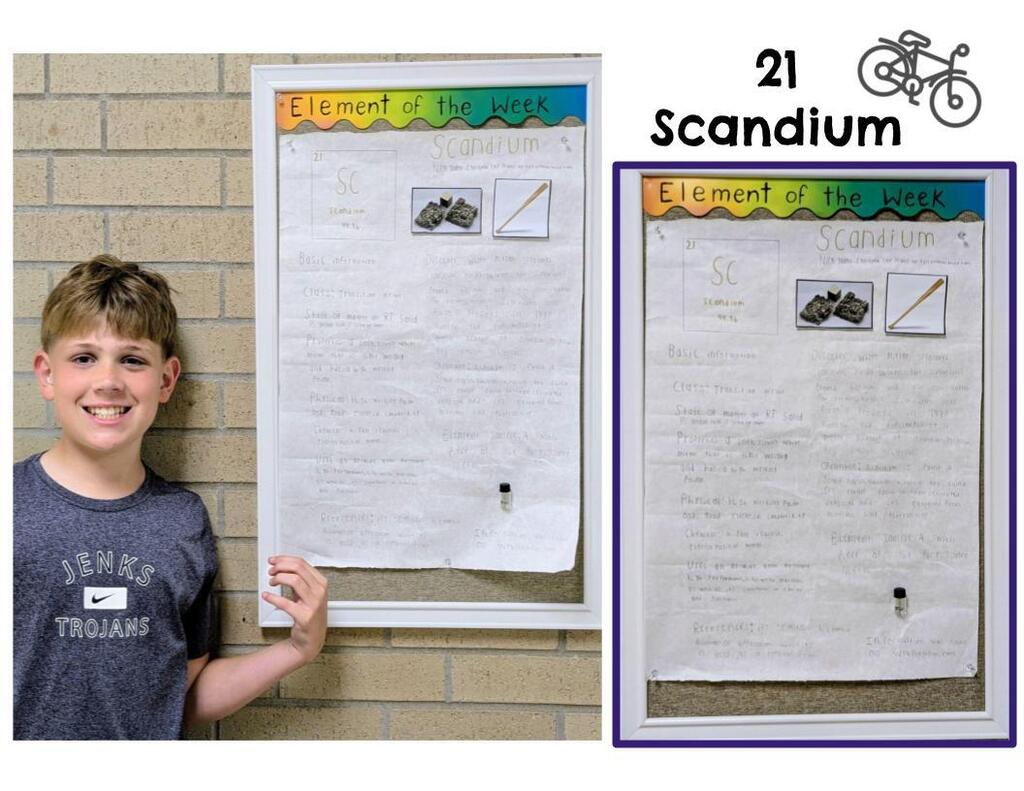
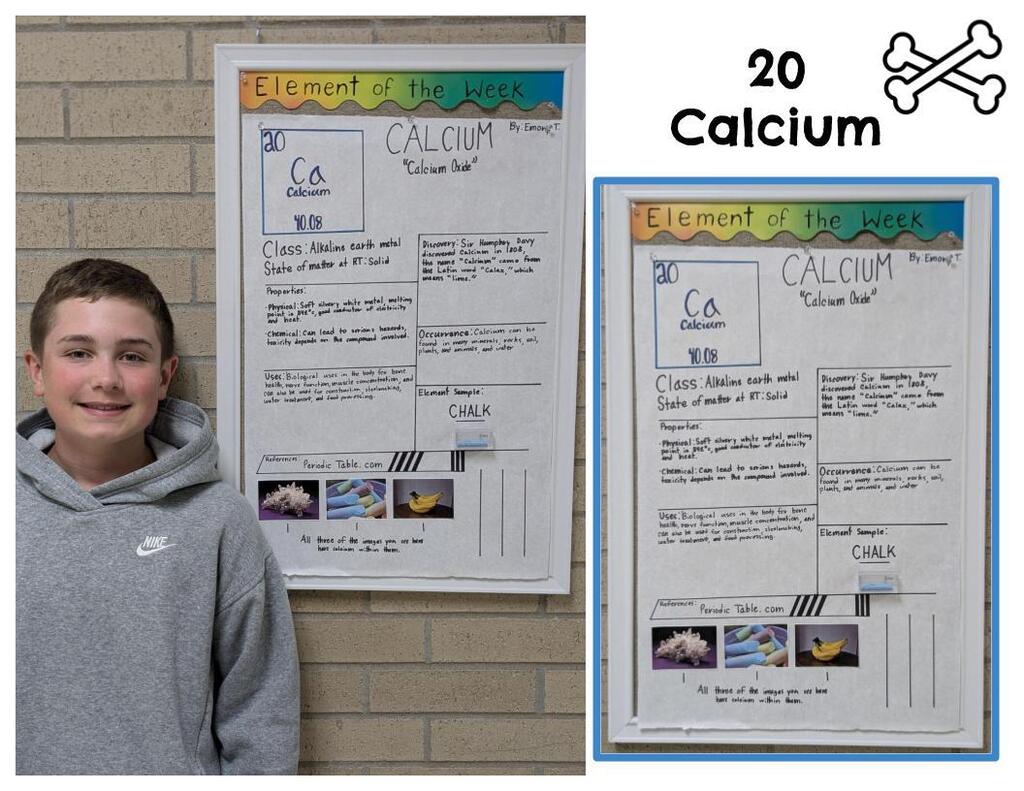
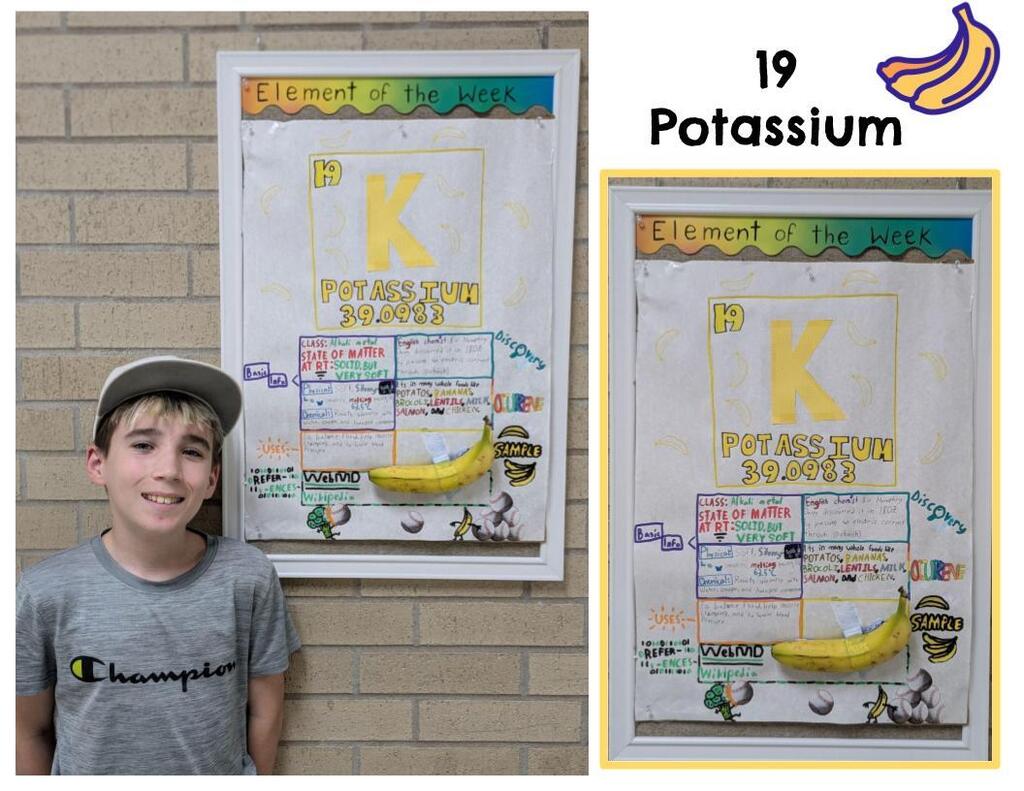
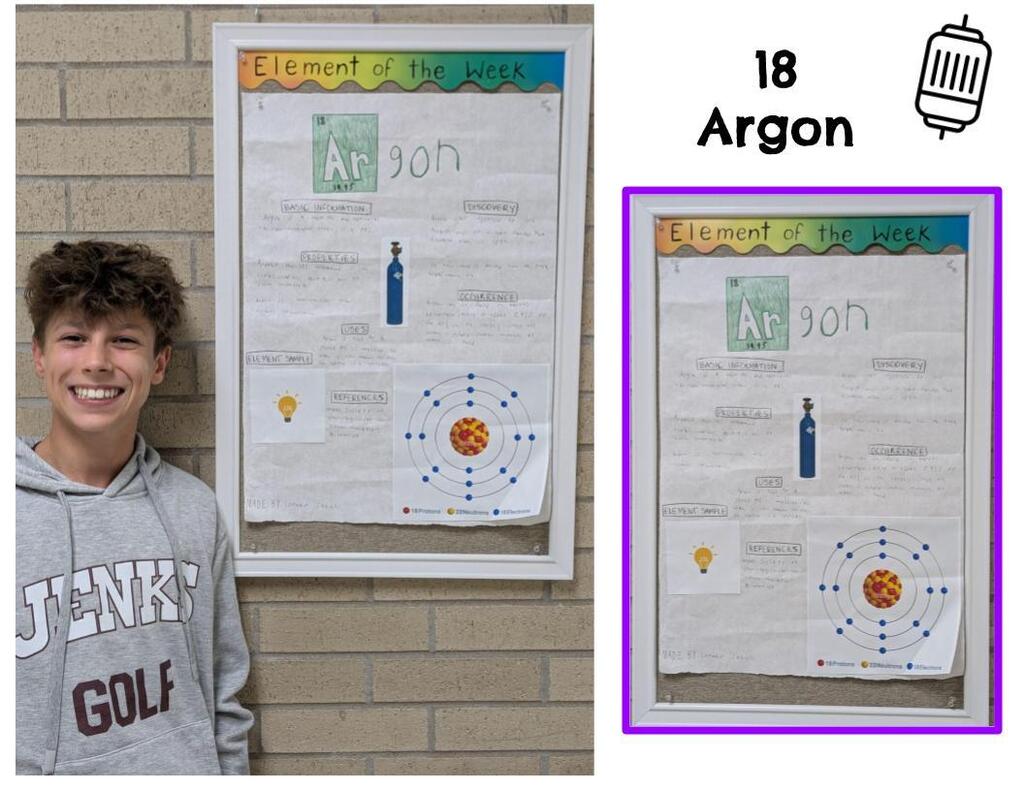
Team 7-2 (Nolte) Advanced Science finished their "Element of the Week" journey with Element 26: Iron —the perfect place in the periodic table to end the year strong.
This final group of elements (#18–26) brought an interesting mix of personalities to our classroom and hallway: from noble gases, to essential metals in our bodies, to transition metals that make our world stronger, shinier, more colorful, and more connected — much like the dynamic mix of personalities and energy that made this class so lively (sometimes a bit too much 😛).
And just as Iron is also the last element forged in the core of a star before that star begins a new stage in its life, we too are now ready to leave this classroom and venture into the space ahead, carrying new knowledge, experiences, and curiosity to explore what comes next!
This final group of elements (#18–26) brought an interesting mix of personalities to our classroom and hallway: from noble gases, to essential metals in our bodies, to transition metals that make our world stronger, shinier, more colorful, and more connected — much like the dynamic mix of personalities and energy that made this class so lively (sometimes a bit too much 😛).
And just as Iron is also the last element forged in the core of a star before that star begins a new stage in its life, we too are now ready to leave this classroom and venture into the space ahead, carrying new knowledge, experiences, and curiosity to explore what comes next!
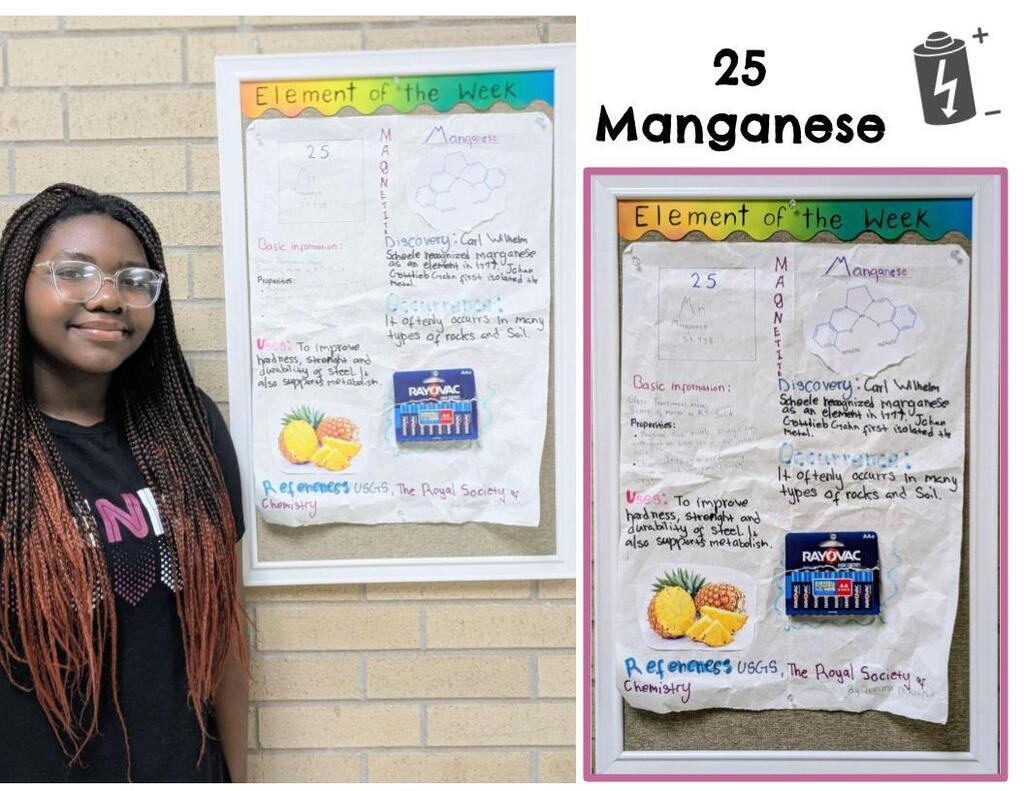
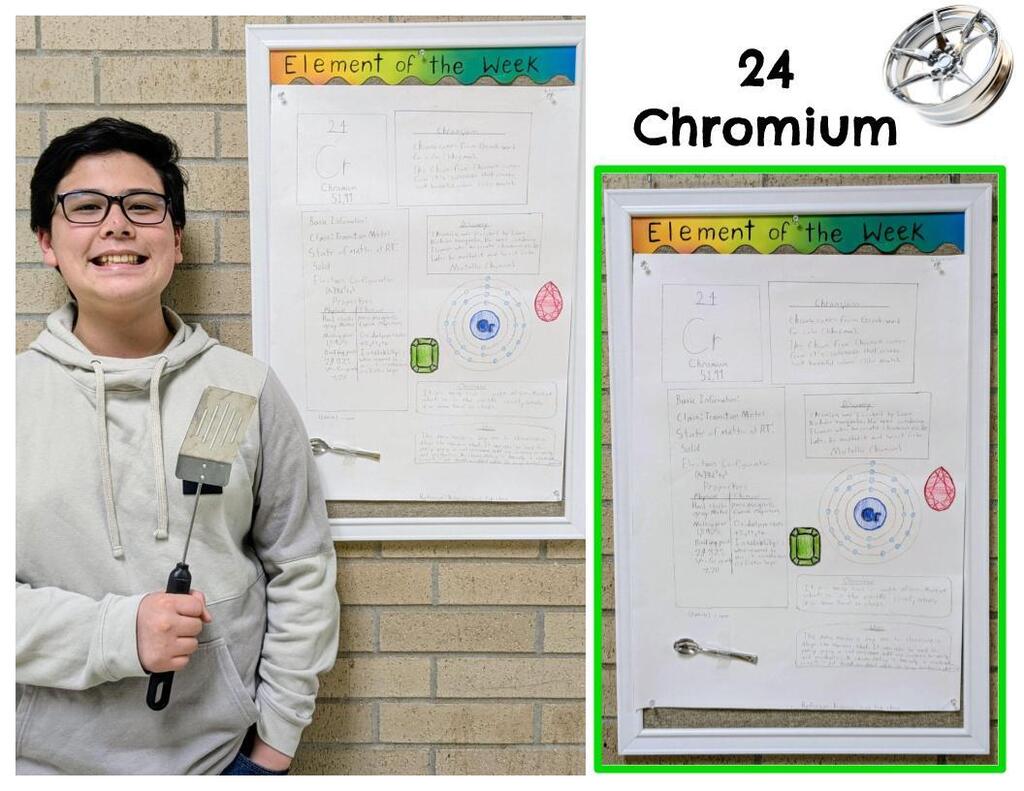
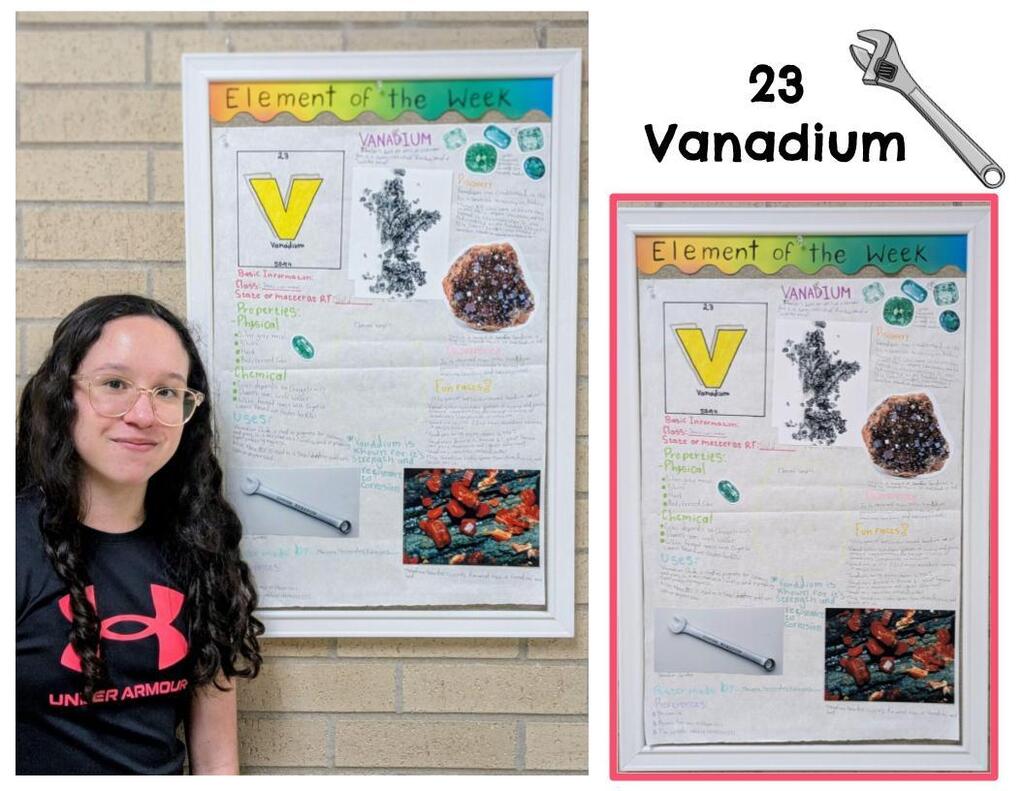
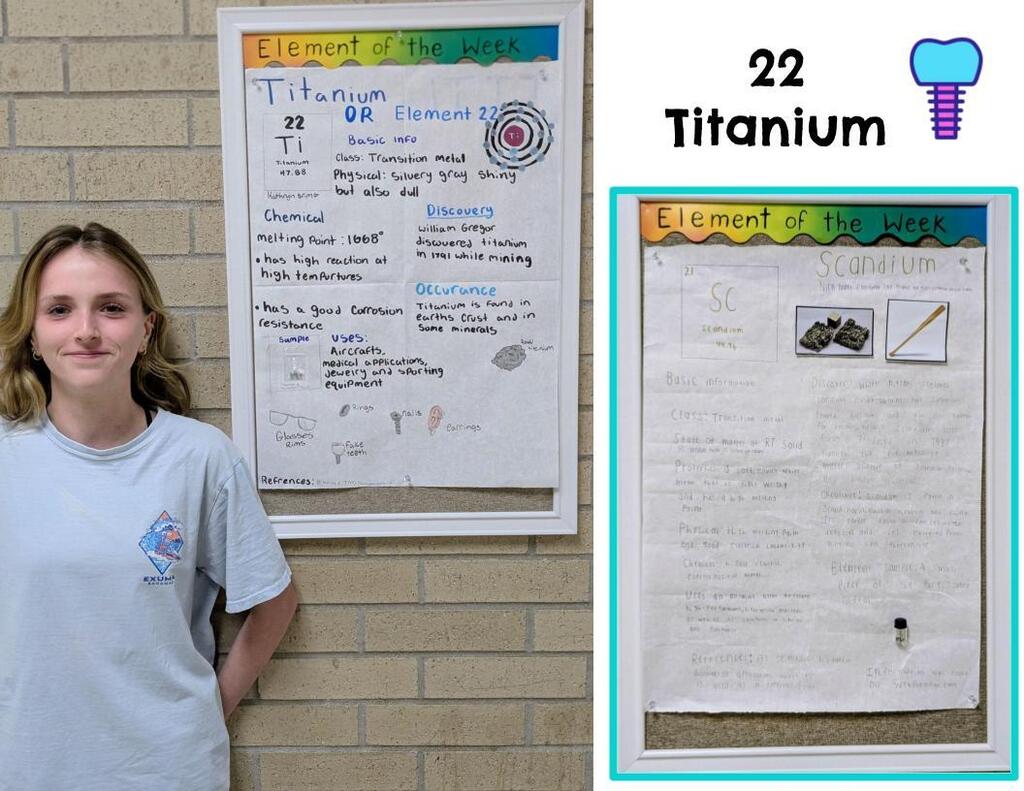
✨🌟 A little sparkle, a lot of heart, and endless Trojan pride! 🌟✨
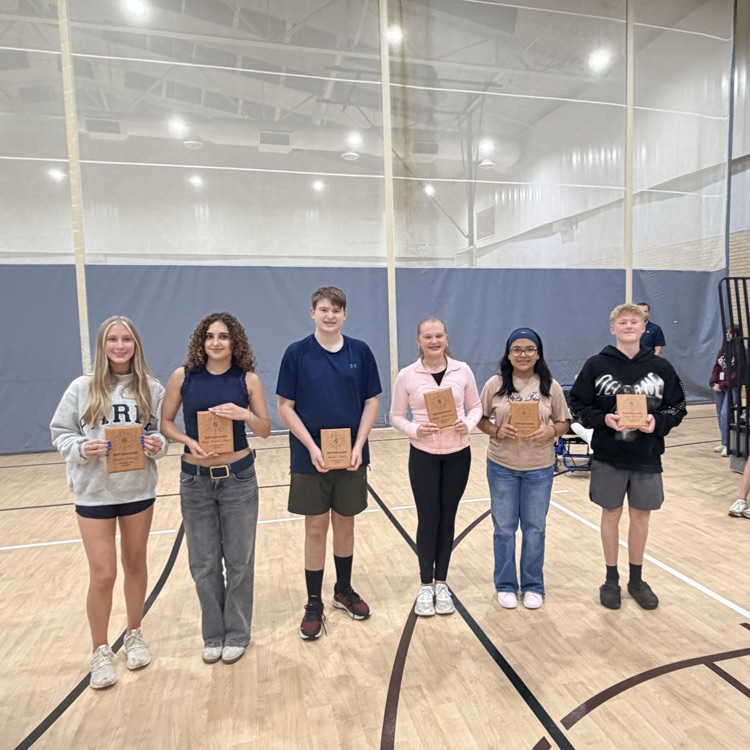
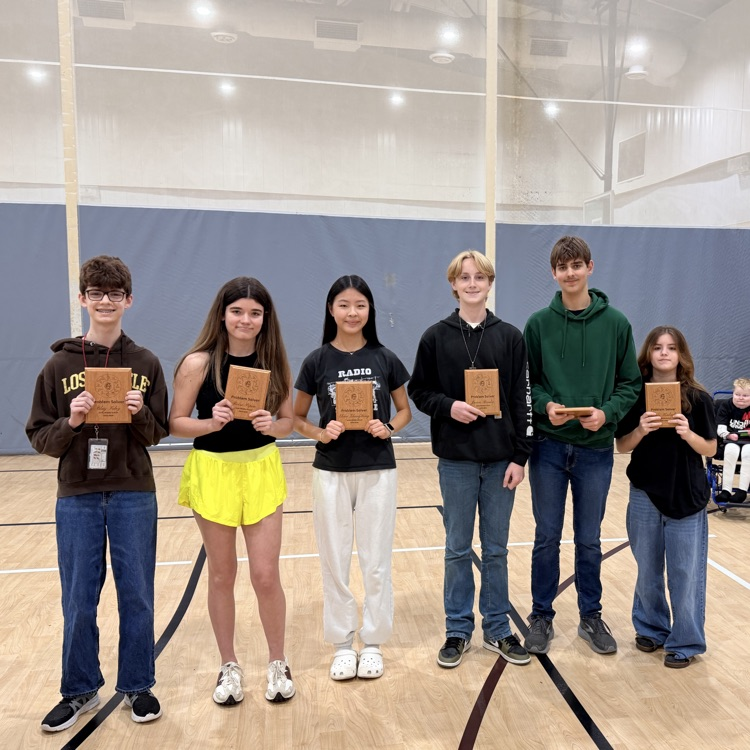
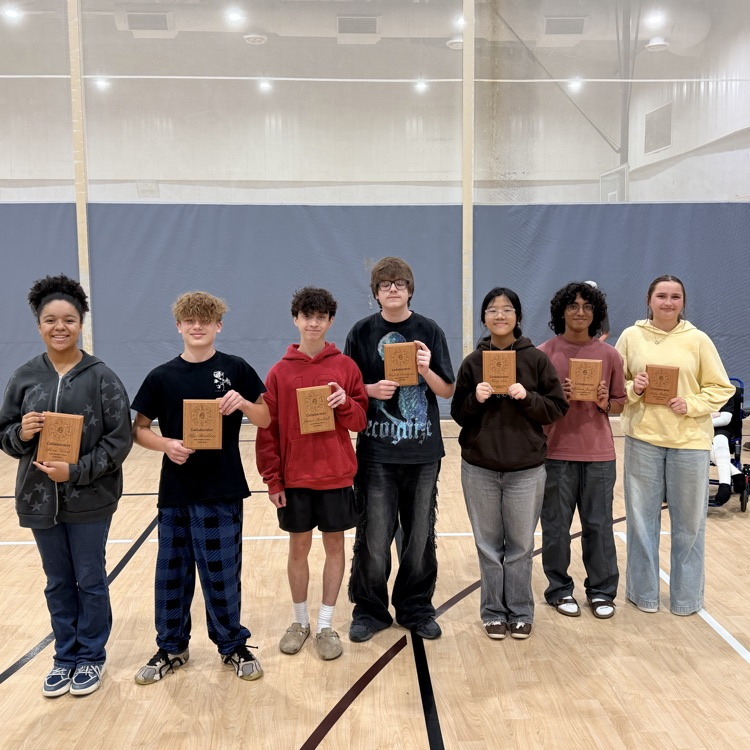
Today we celebrated our 7th grade Portrait of a Graduate Award winners and our True Trojan Award winners — students who shine brightly through collaboration, effective communication, empathy, problem solving, resilience, and self-advocacy.
Like stars lighting the way, these students make our school community stronger, brighter, and more inspiring every single day. 💫❤️
Congratulations to our amazing award winners — keep dreaming big and leading with heart, Trojans! 🏆✨
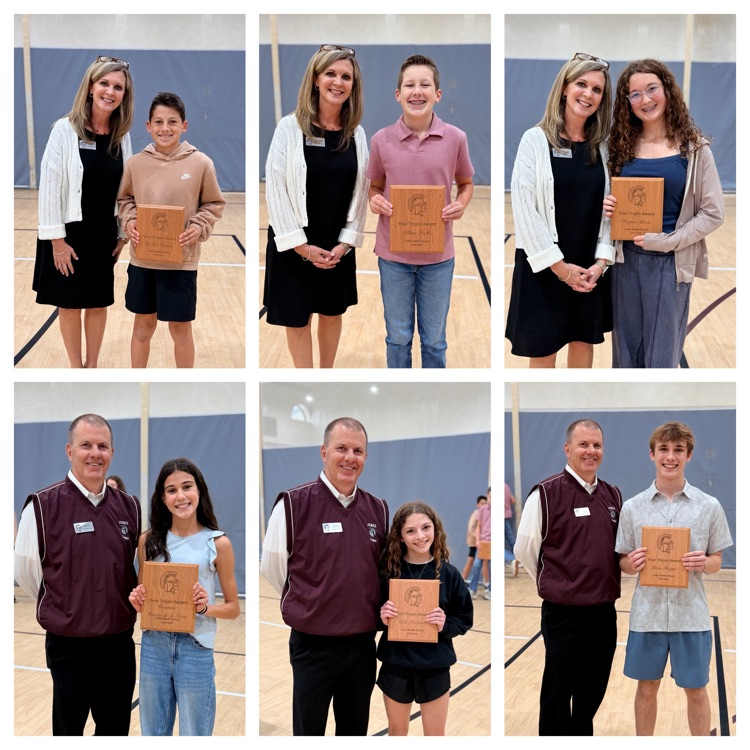
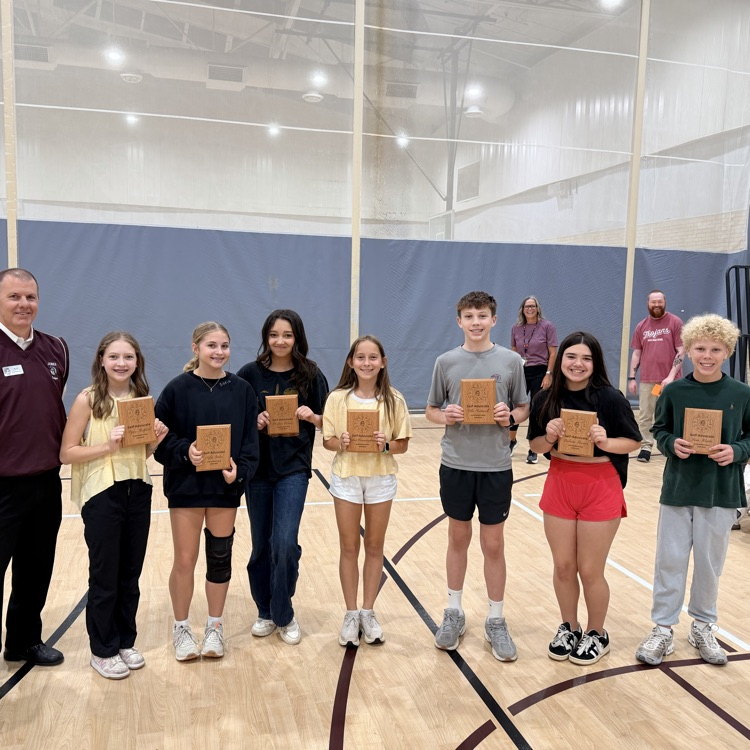
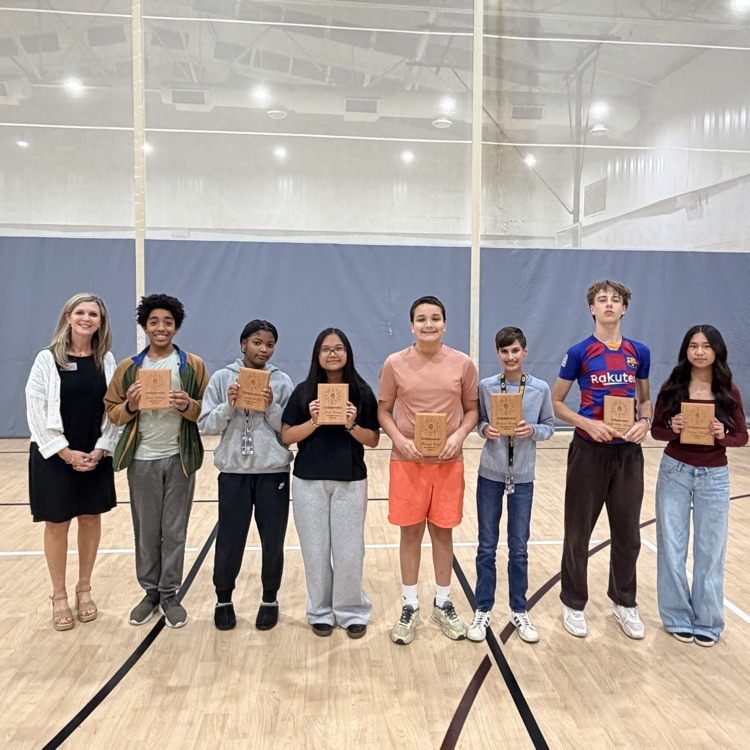
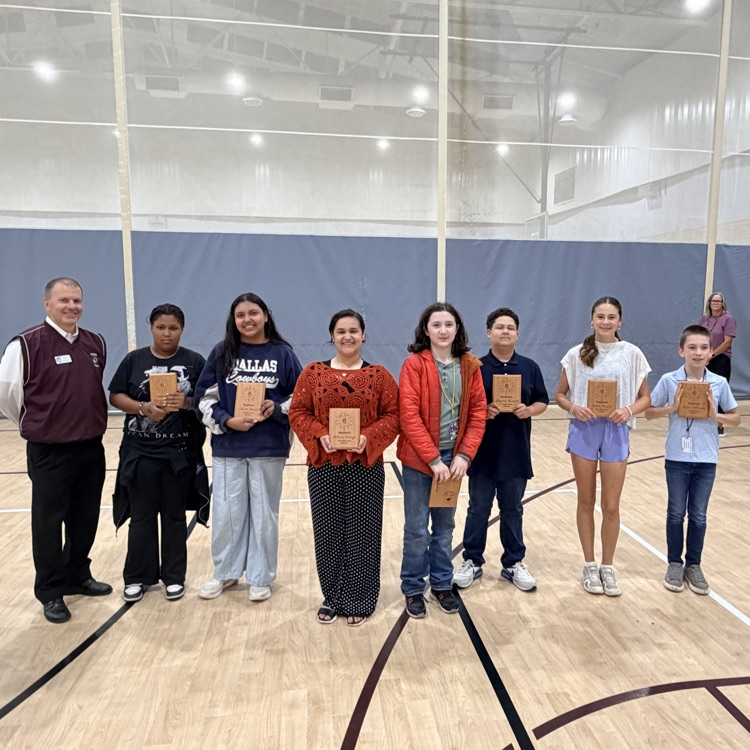
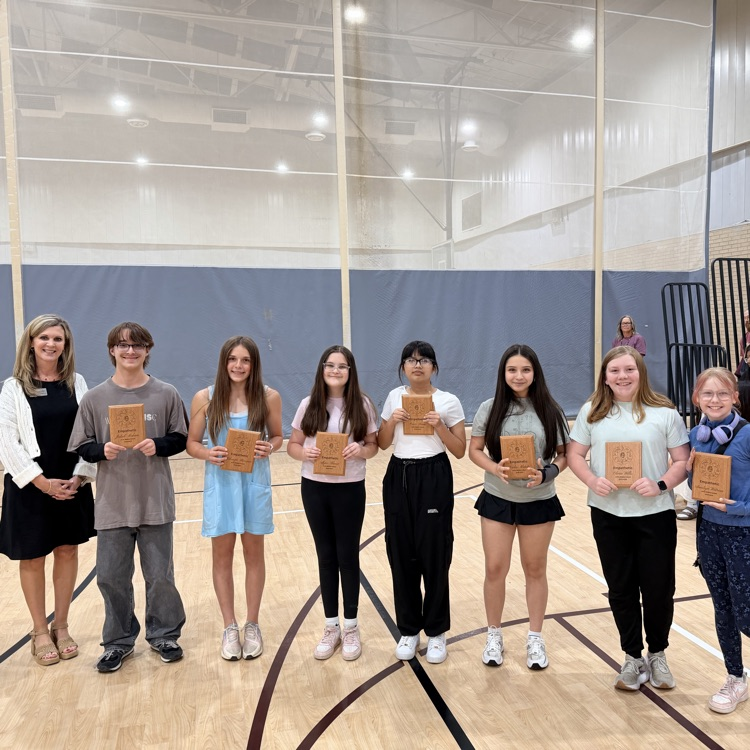
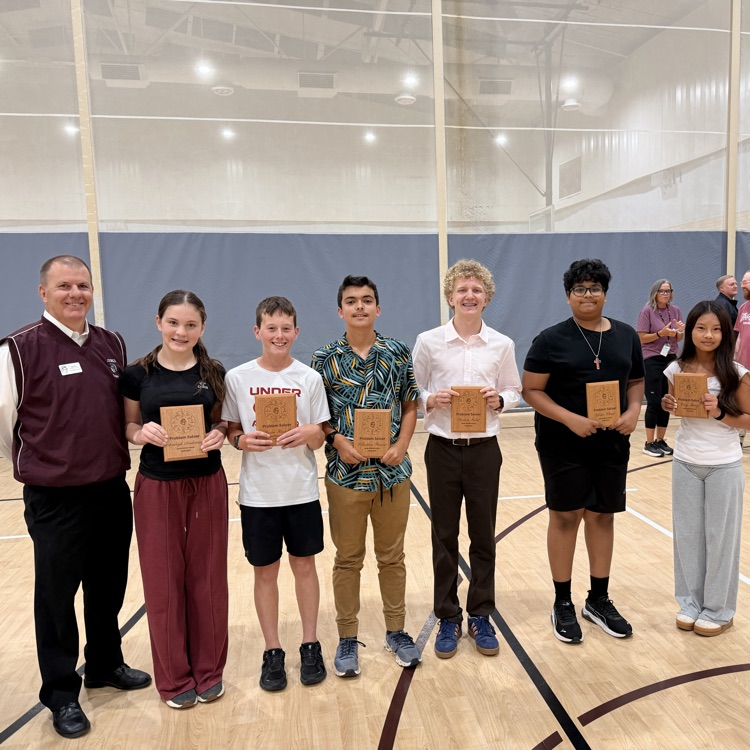
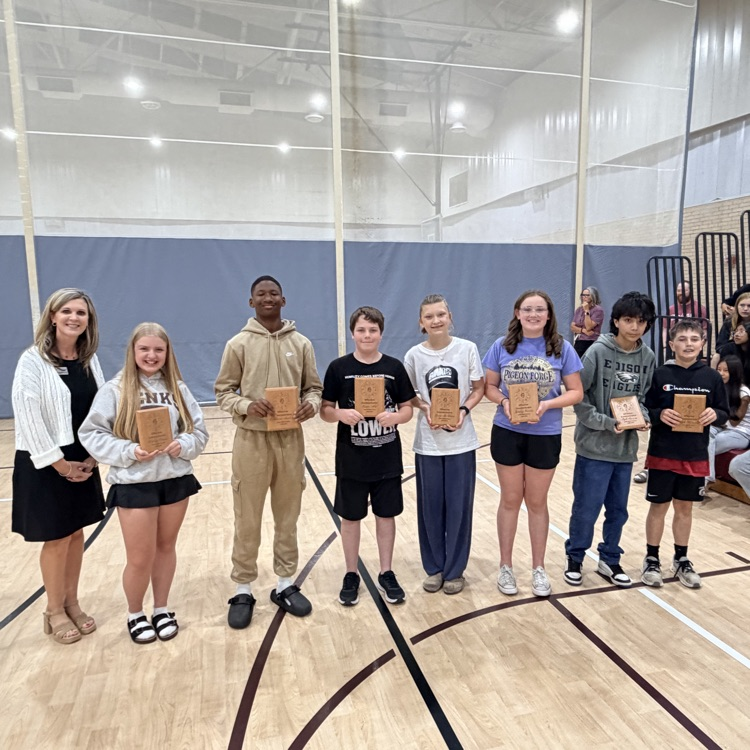
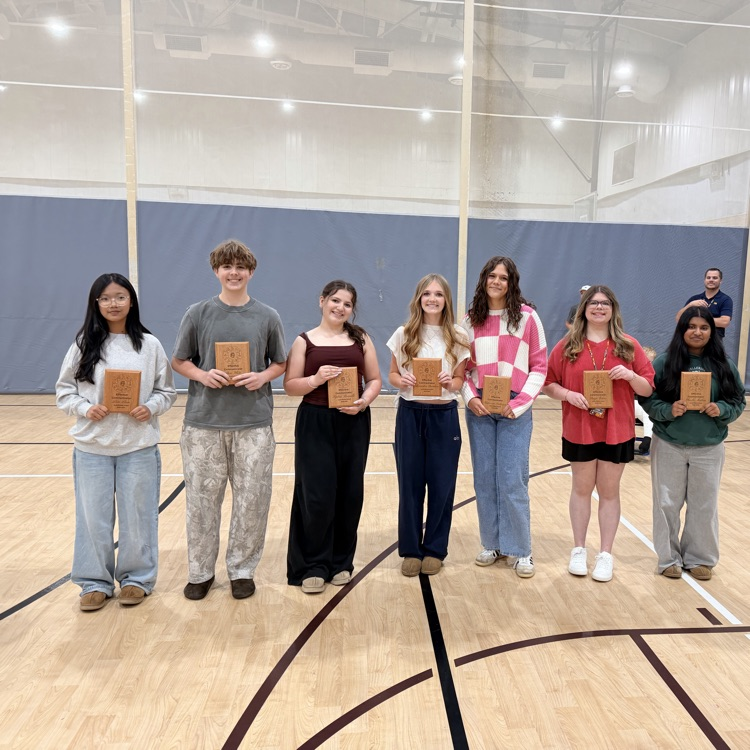
Celebrating excellence, leadership, and Trojan pride! 🏆❤️
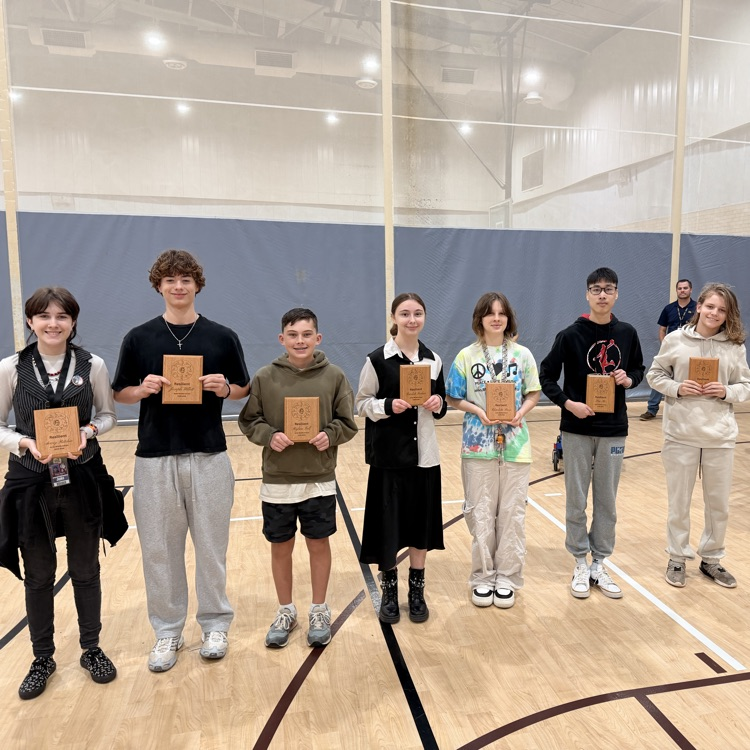
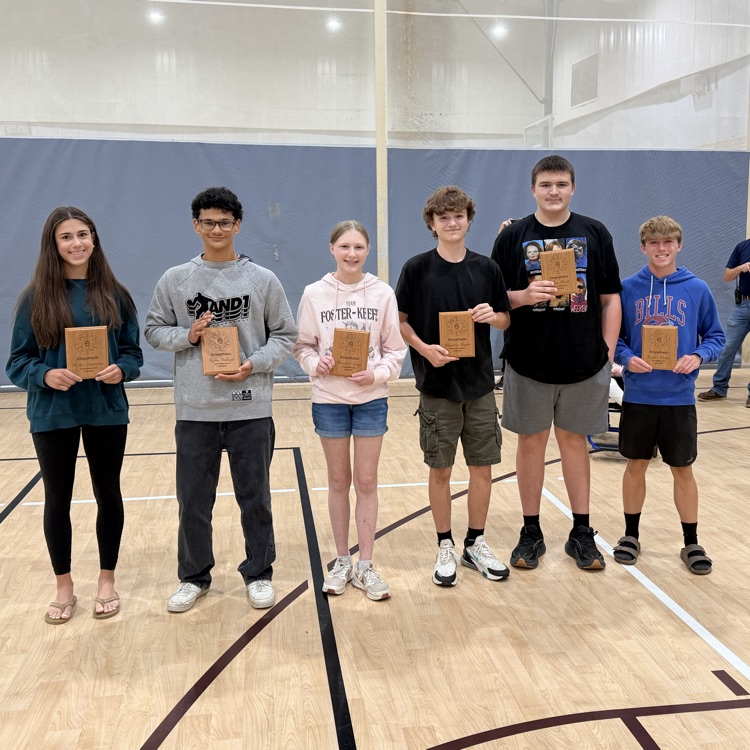
Congratulations to our 8th grade Portrait of a Graduate Award winners and our True Trojan Award winners! These outstanding students represent the very best of our school community!
We are so proud of the impact they make each day both inside and outside the classroom. Keep leading the way, Trojans! 👏✨
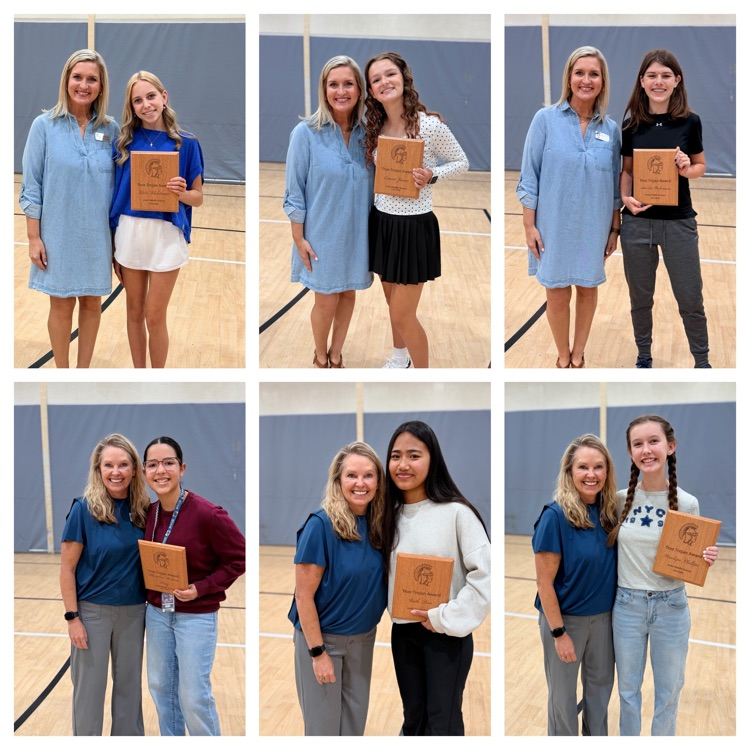
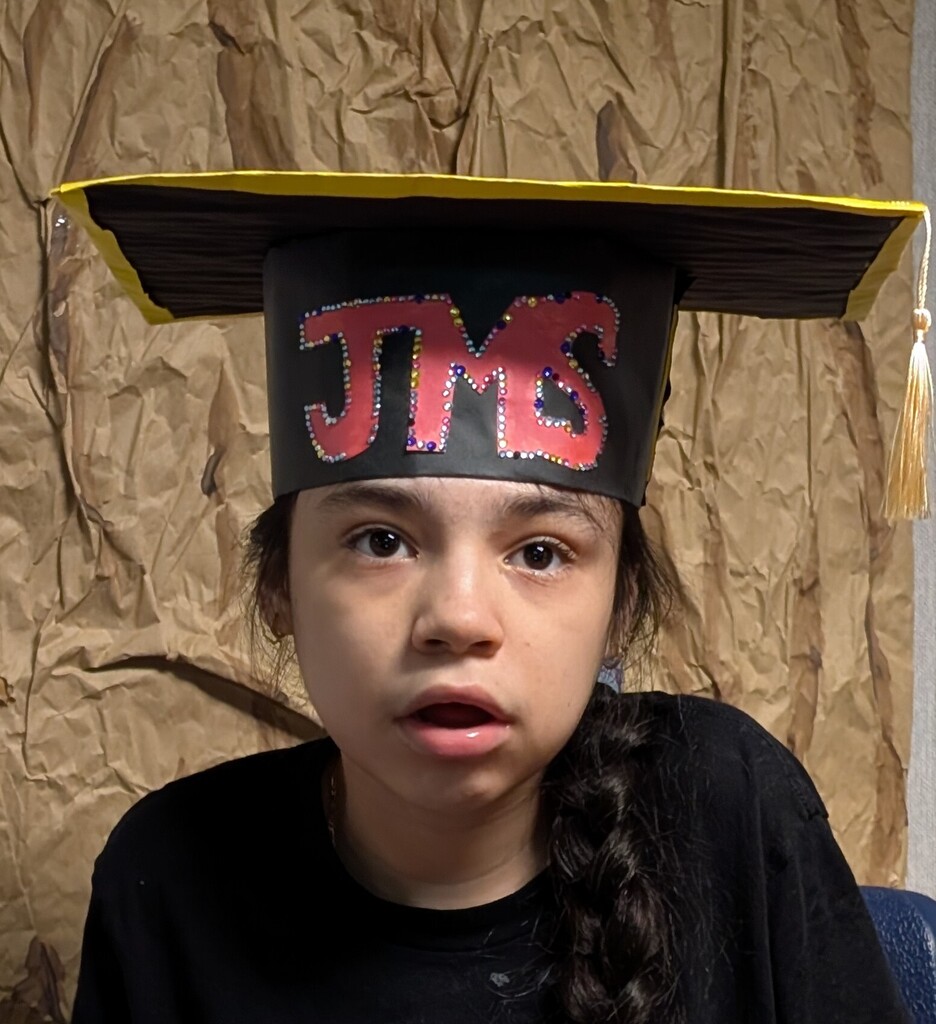
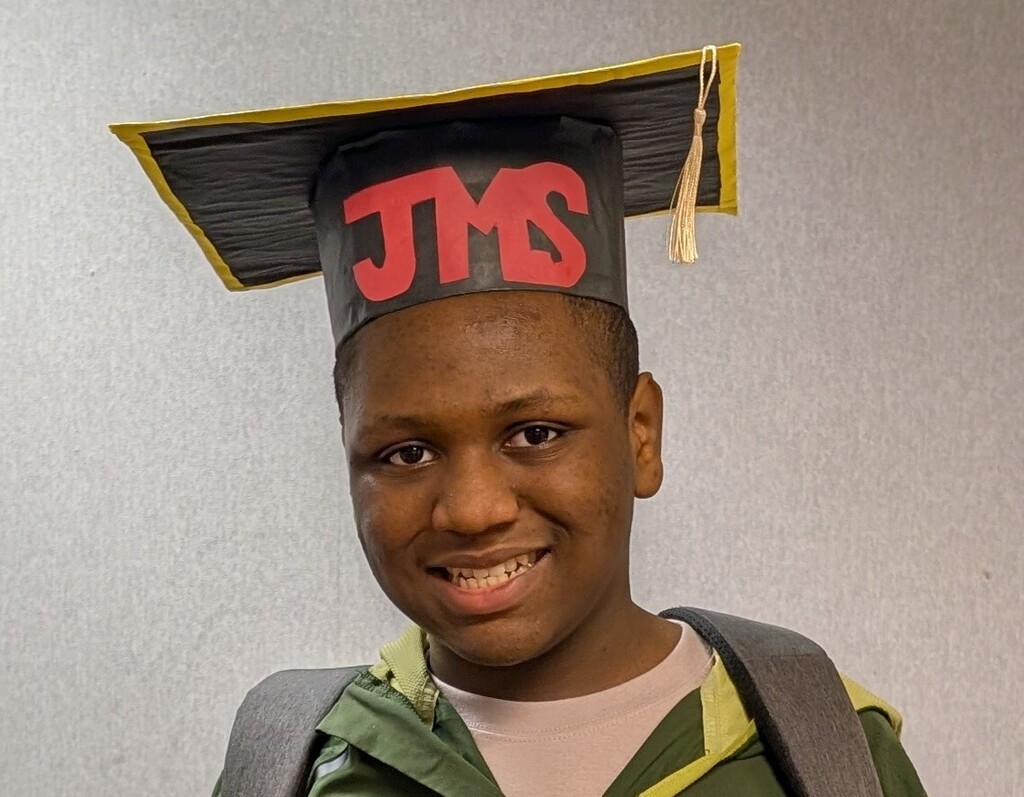
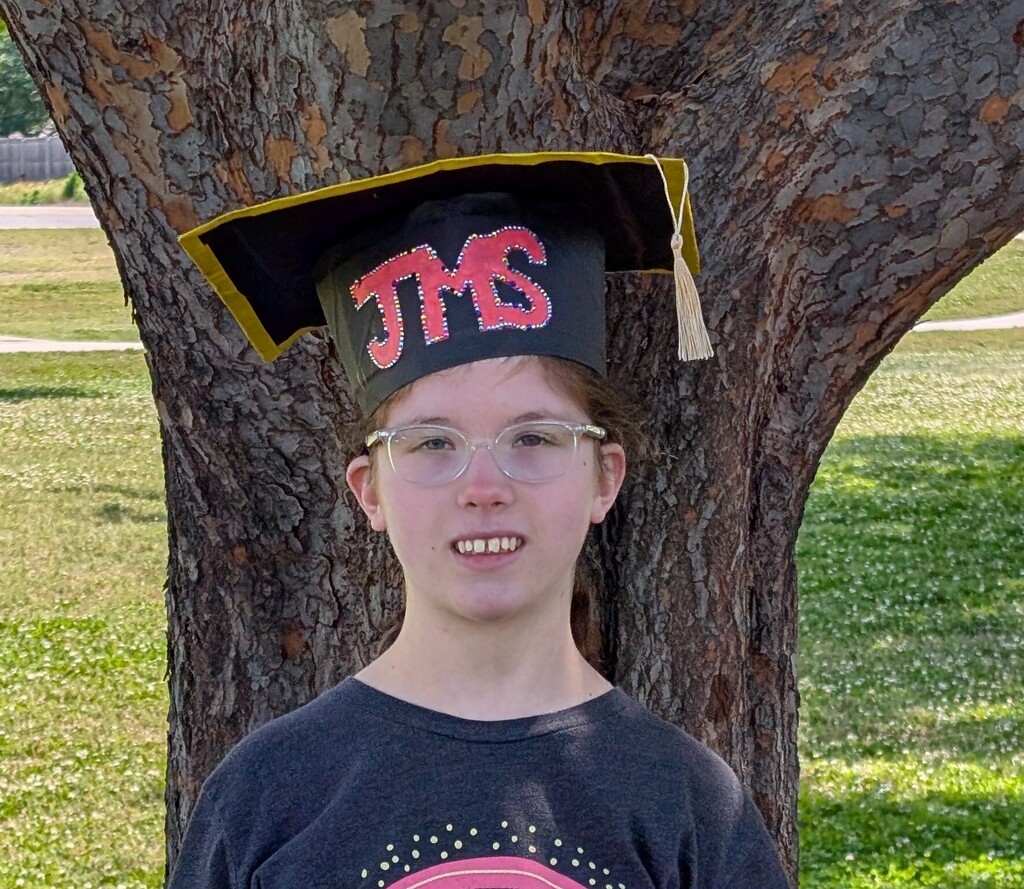
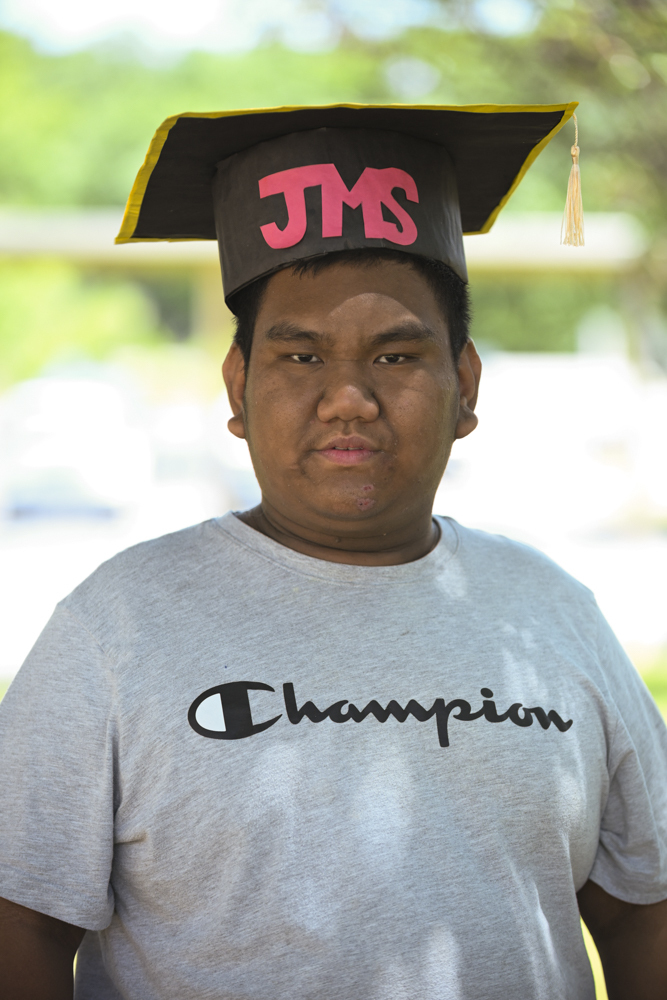
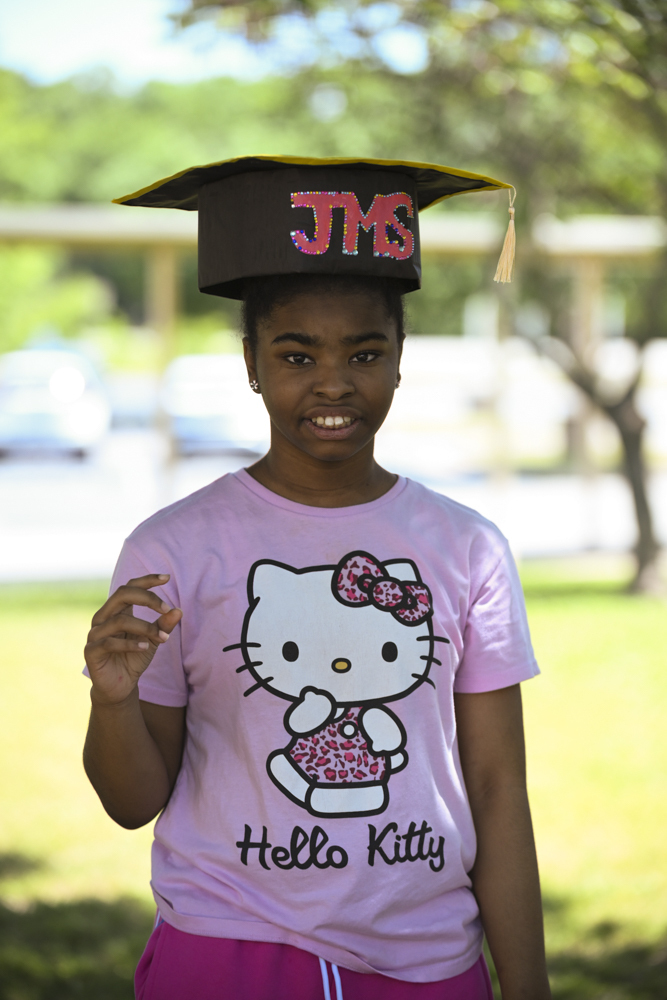
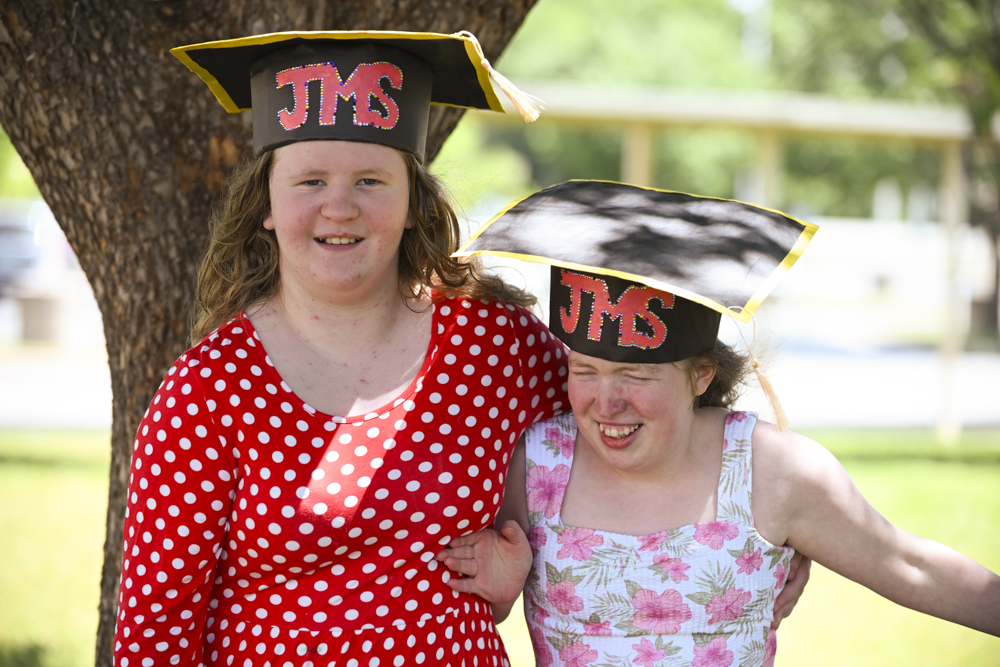
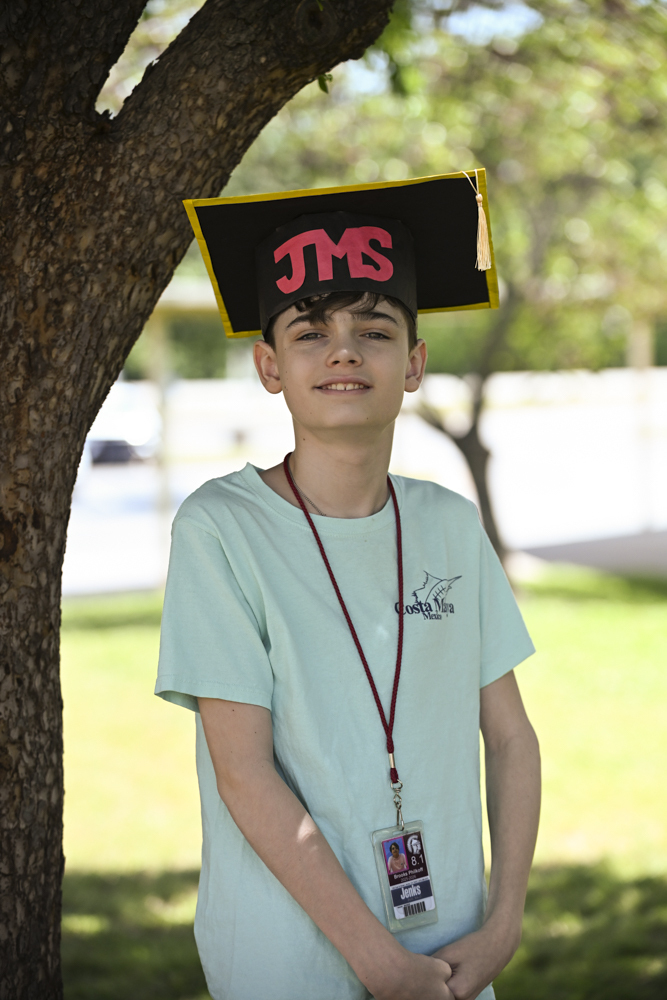
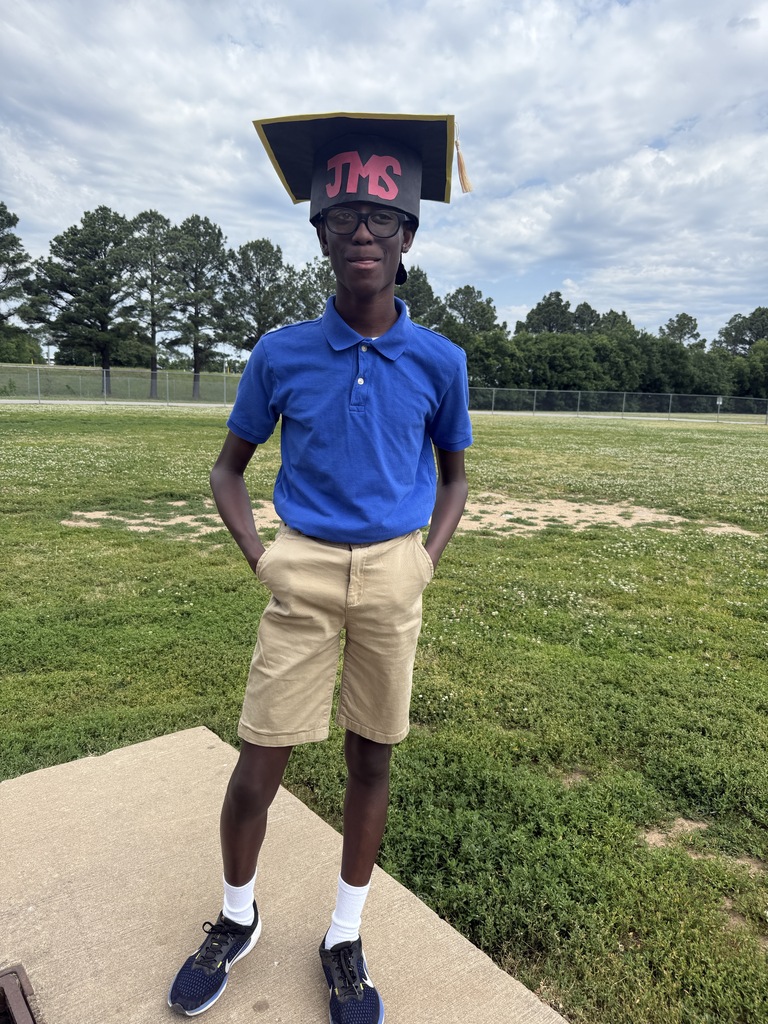
🎓✨ From homemade graduation caps at Jenks Middle School to caps and gowns at high school graduation in just four short years… where does the time go? 💙
Students from Mrs. Heinen, Mrs. Lee, and Mrs. Mulalira’s classes celebrated this special milestone in style, showing off their school spirit. We are so proud of all our 8th graders and can’t wait to see all the amazing things they accomplish at Jenks Freshman Academy!
We will miss you all so much — once a Jenks family, always a Jenks family! 💫 #JenksProud #ClassOf2030 #MiddleSchoolMemories #FutureGraduates
Students from Mrs. Heinen, Mrs. Lee, and Mrs. Mulalira’s classes celebrated this special milestone in style, showing off their school spirit. We are so proud of all our 8th graders and can’t wait to see all the amazing things they accomplish at Jenks Freshman Academy!
We will miss you all so much — once a Jenks family, always a Jenks family! 💫 #JenksProud #ClassOf2030 #MiddleSchoolMemories #FutureGraduates


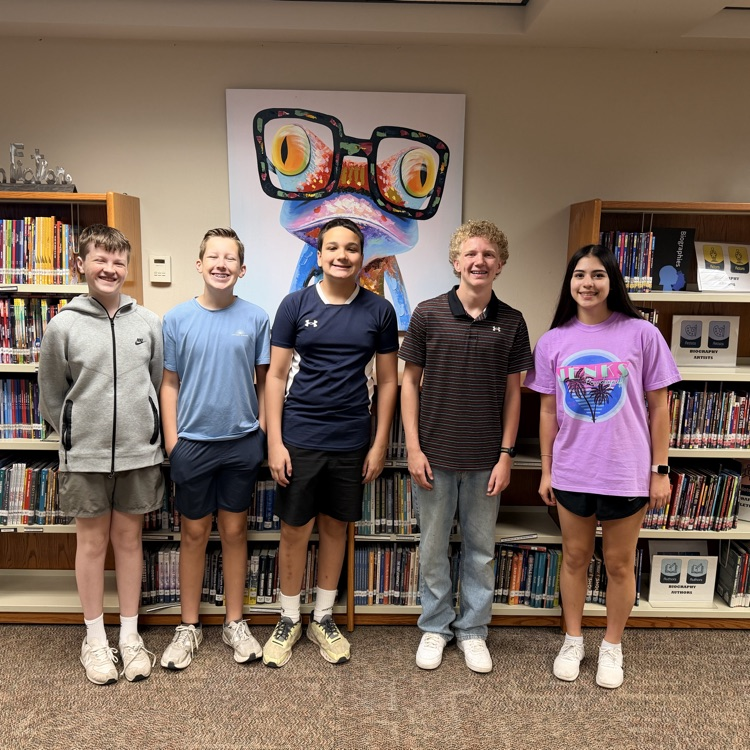
👏🏼Congratulations to the new JMS StuCo officers👏🏼
These 5 current 7th graders will lead our Student Council next year. They have worked hard and shown leadership in StuCo this year and were elected by their peers.
President- Paxton Falat
Vice President-Thomas Wasif
PR- Anabella Toledo
Treasurer- Ethan Forth
Secretary- Cash Curry
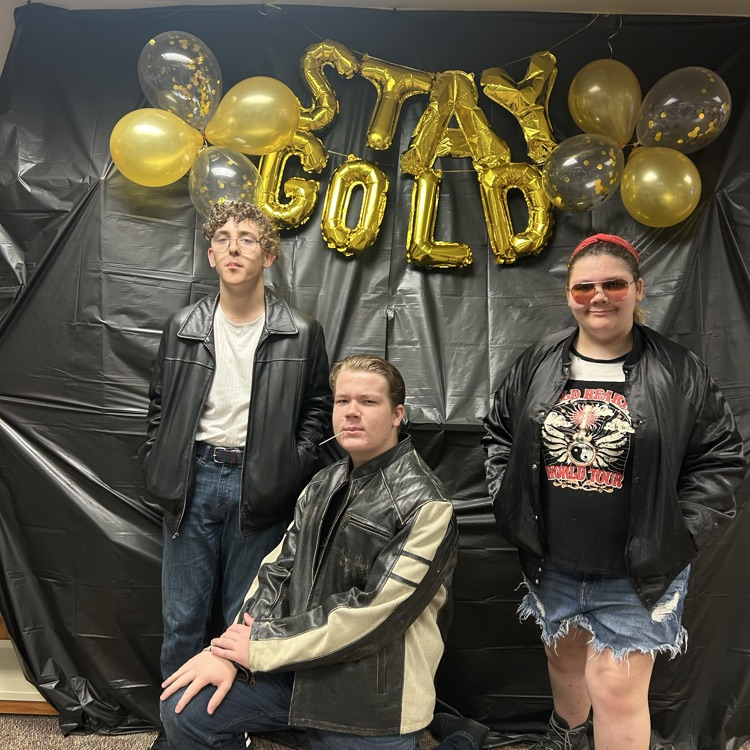
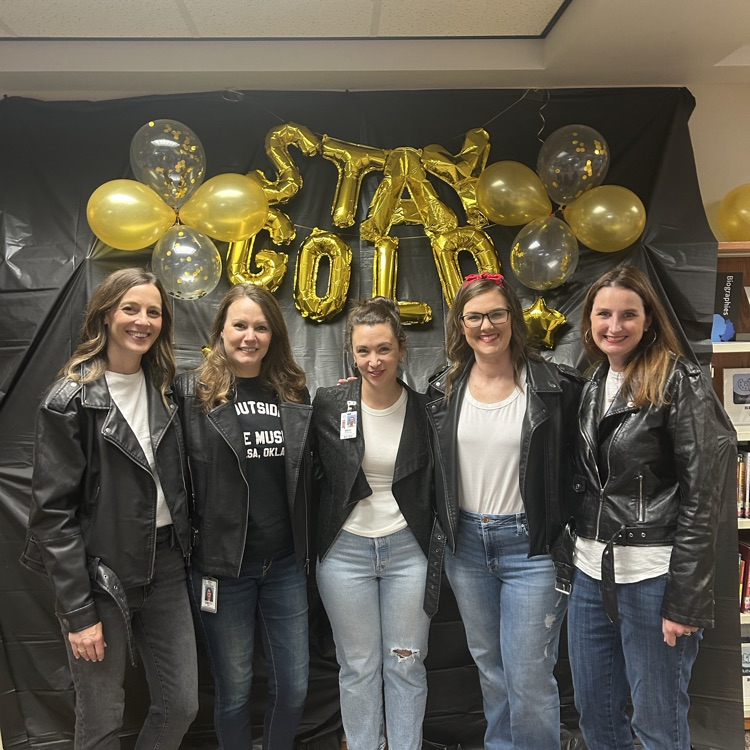
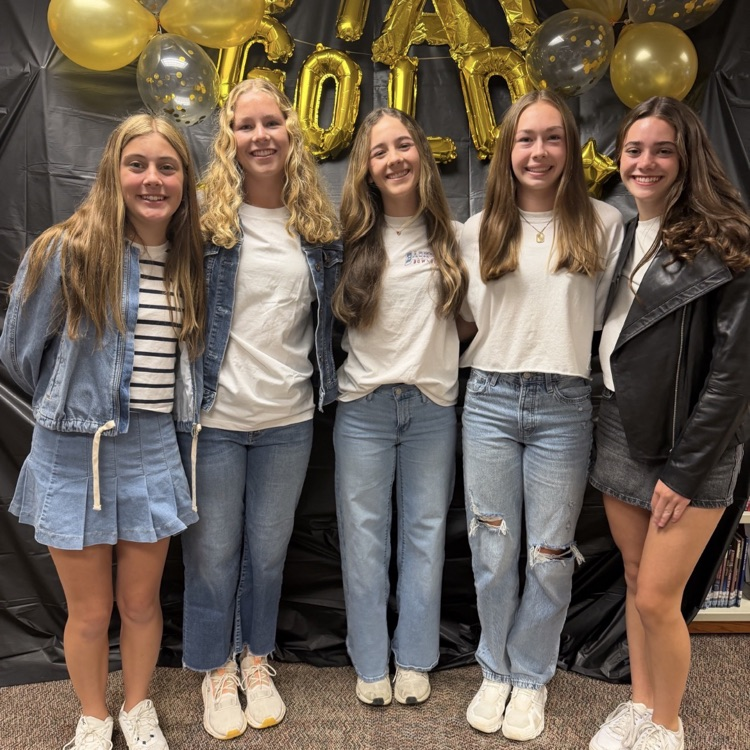
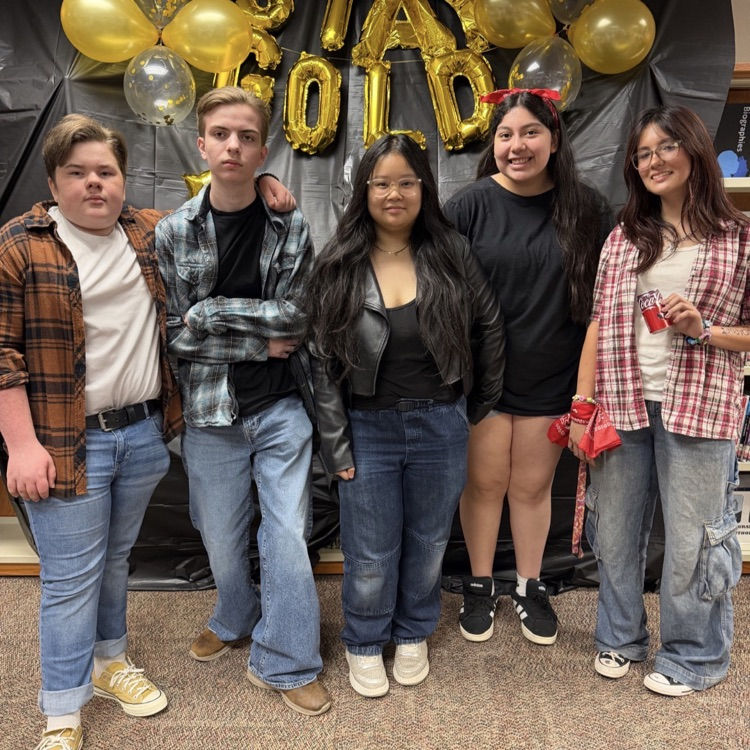
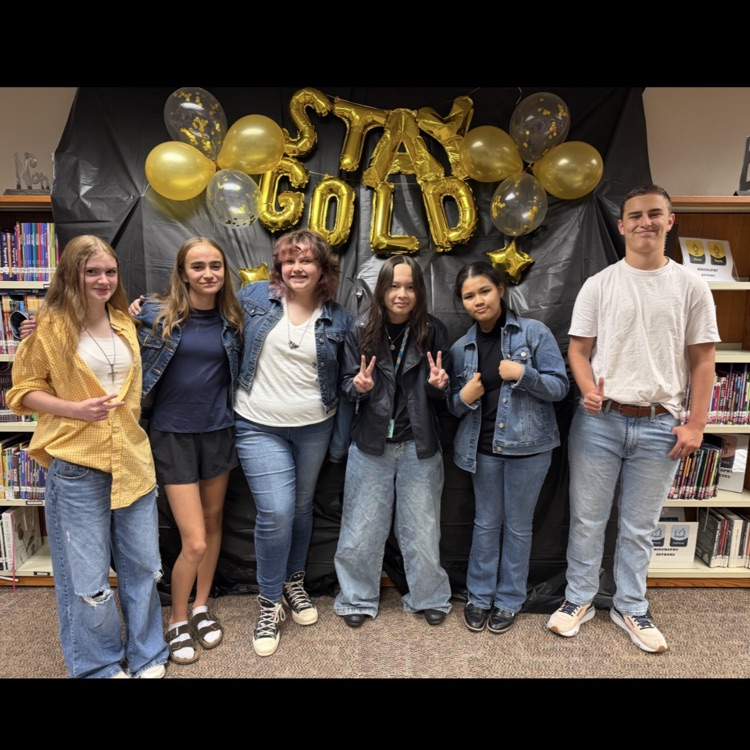
Stay Gold, Ponyboy. 🌟
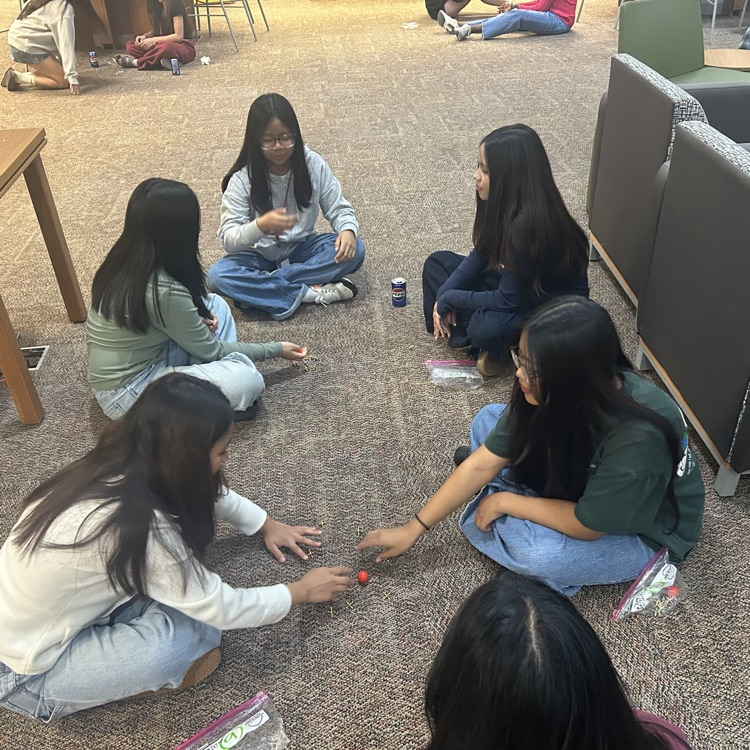
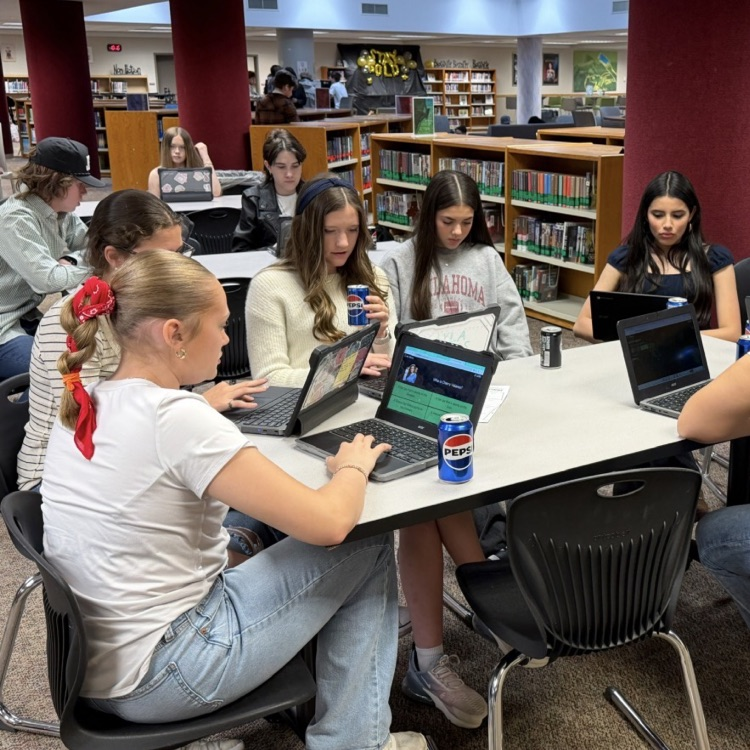
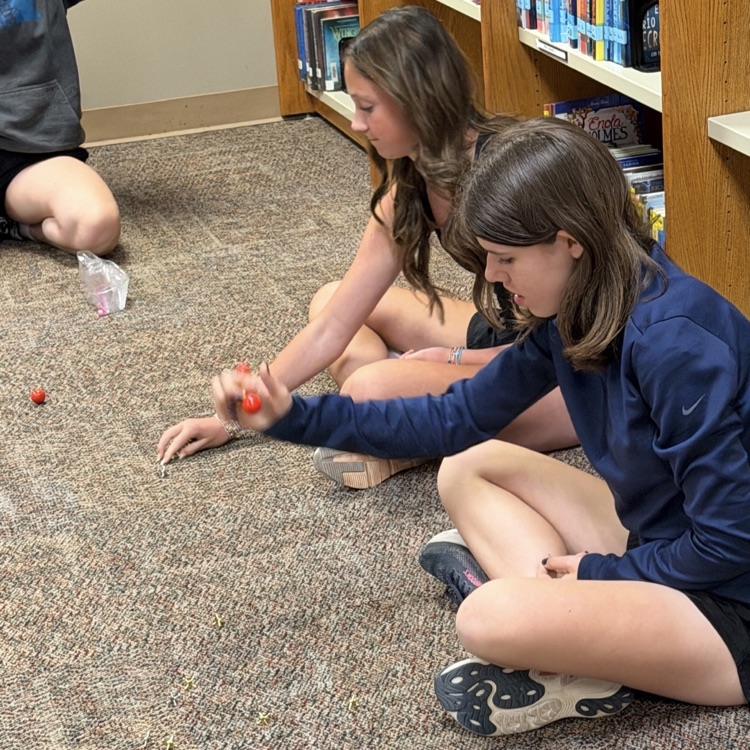
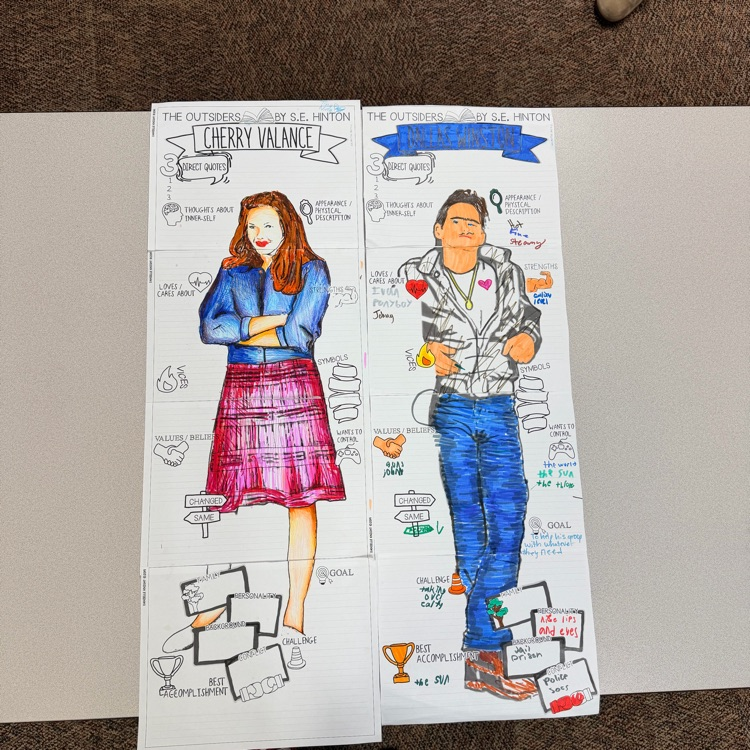
After reading the novel, The Outsiders by SE Hinton, Mrs. Clark, Mrs. Bray, and Mrs. Smith's classes had a culminating event in the library. Outsiders day was full of trivia, learning how to play jacks, body biographies, and dressing up as a Soc or Greaser.
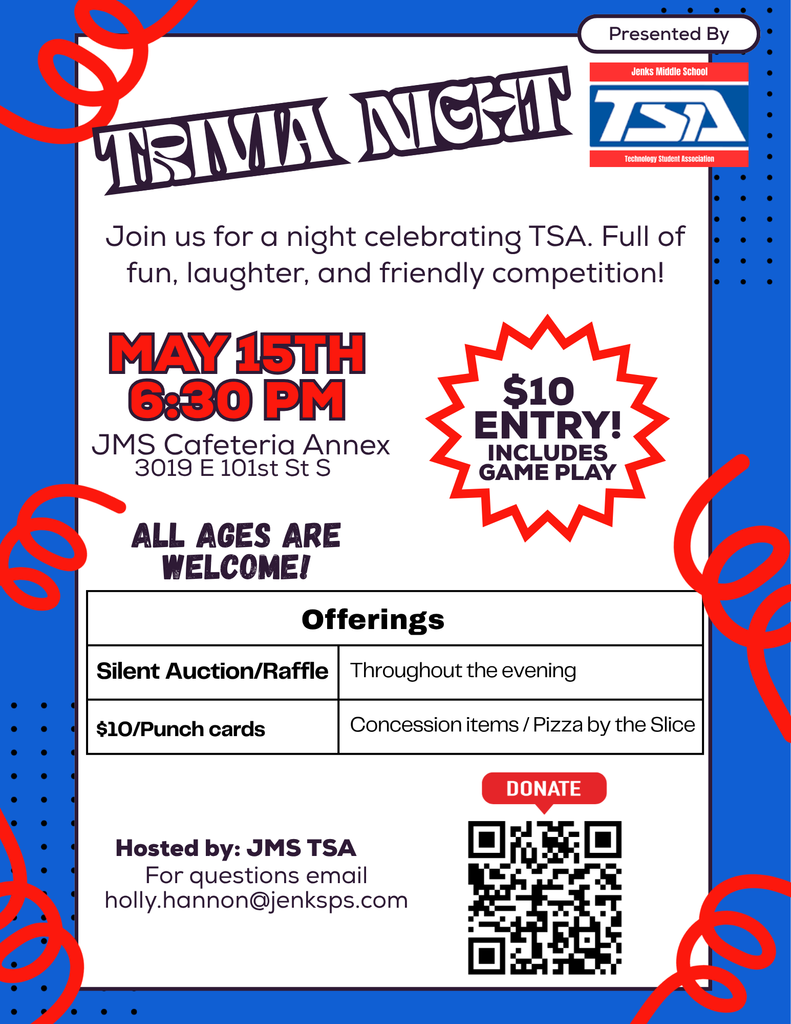
Have a bunch of random knowledge in your brain? Come put it to use and support the JMS TSA students at the same time!
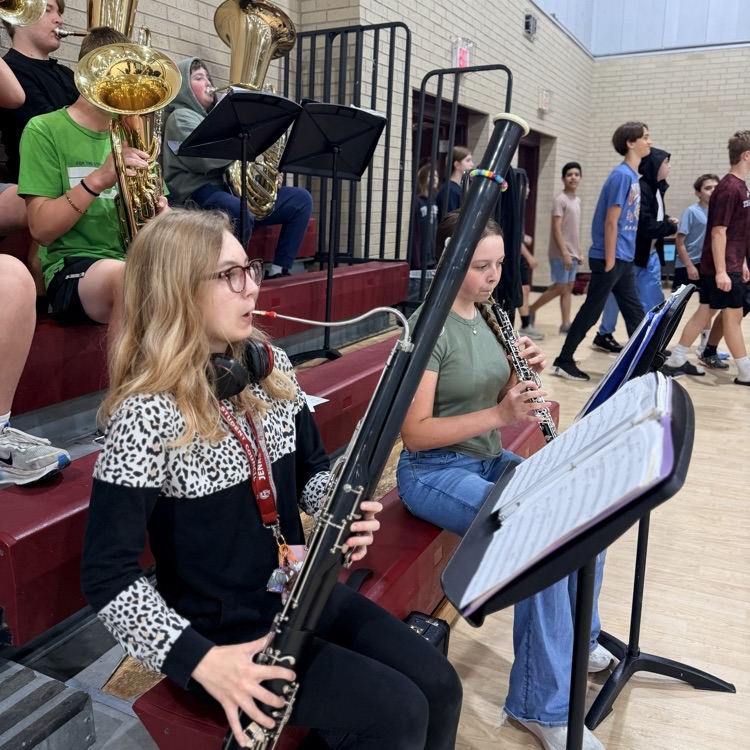
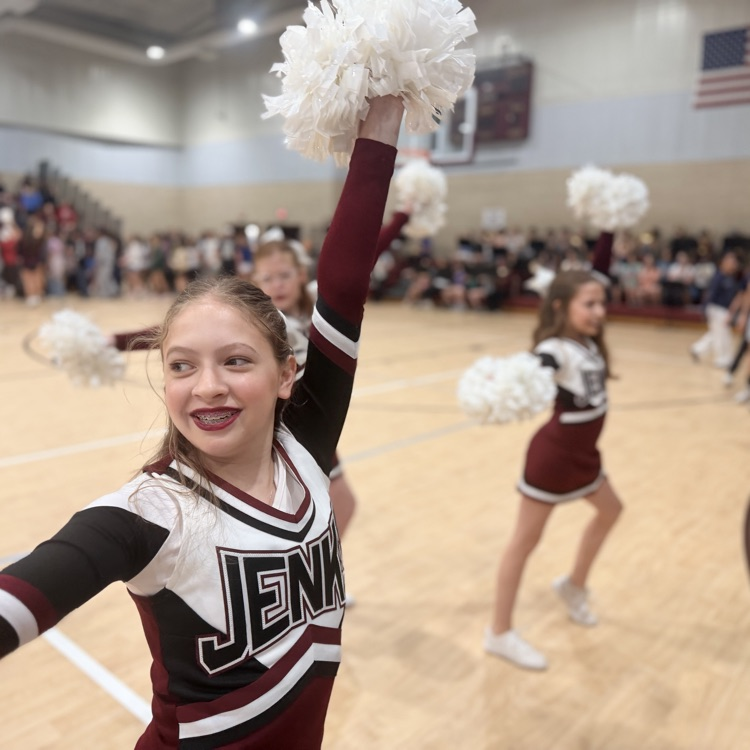
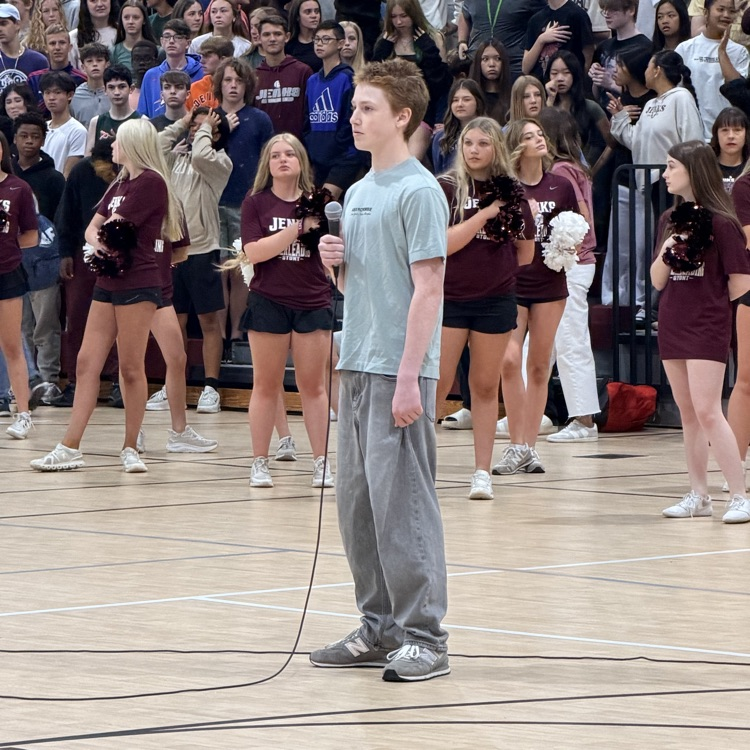
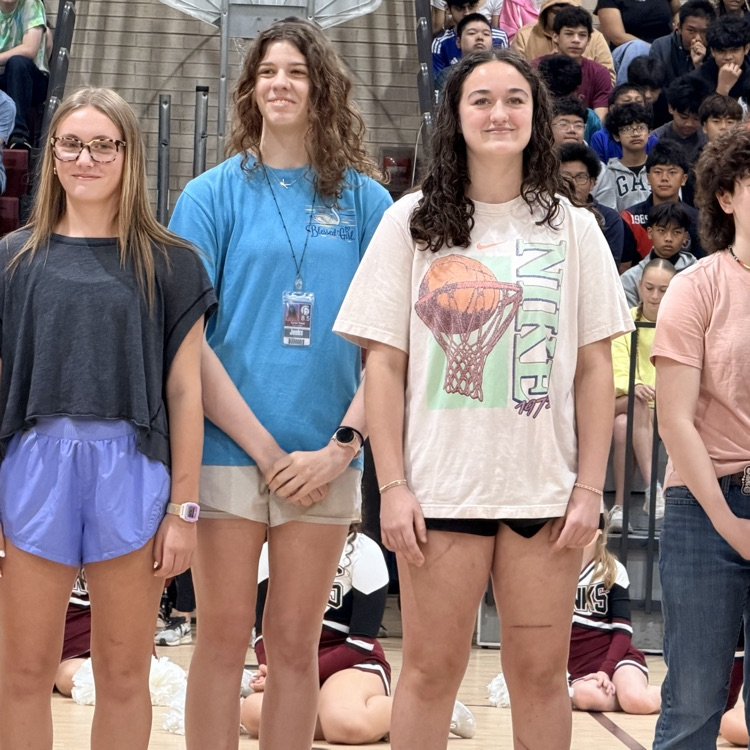
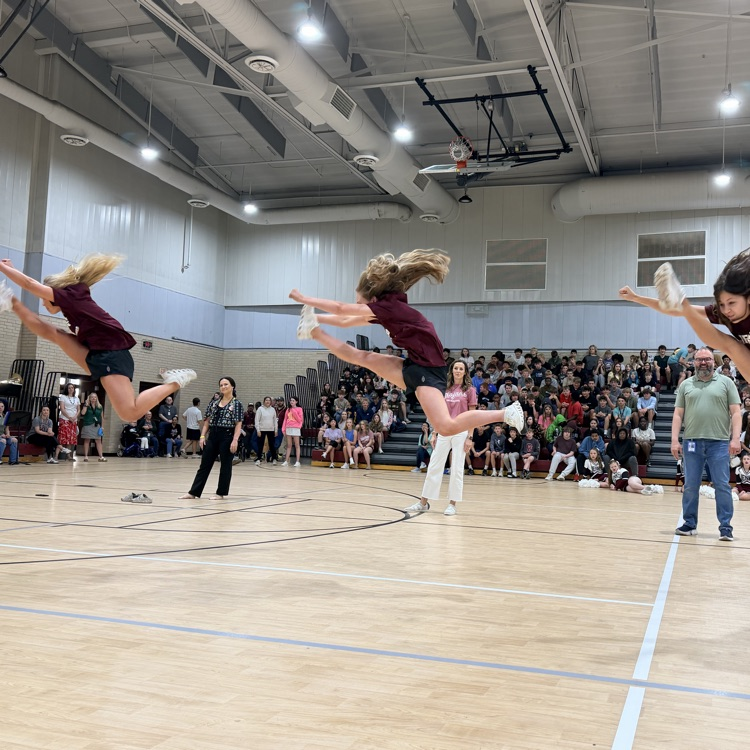
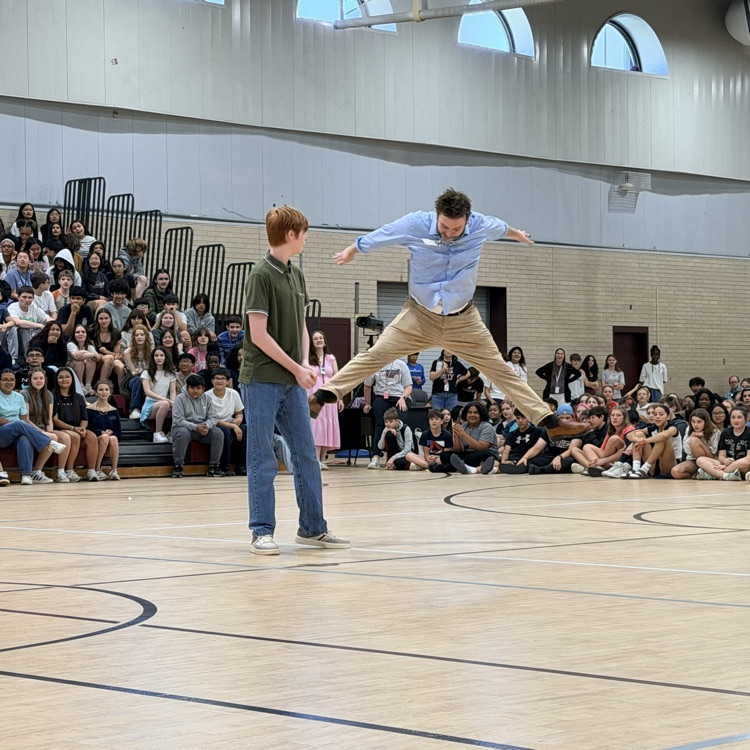
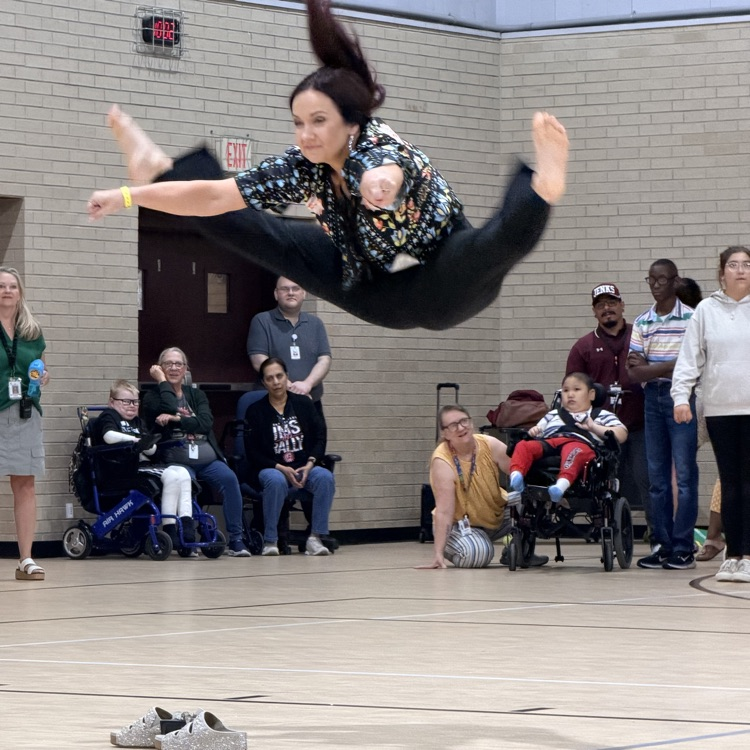
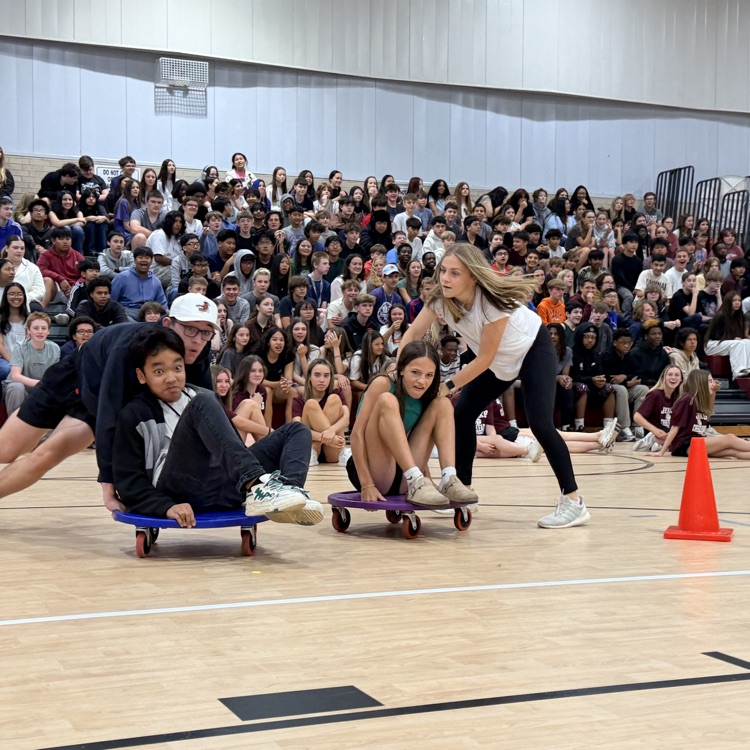
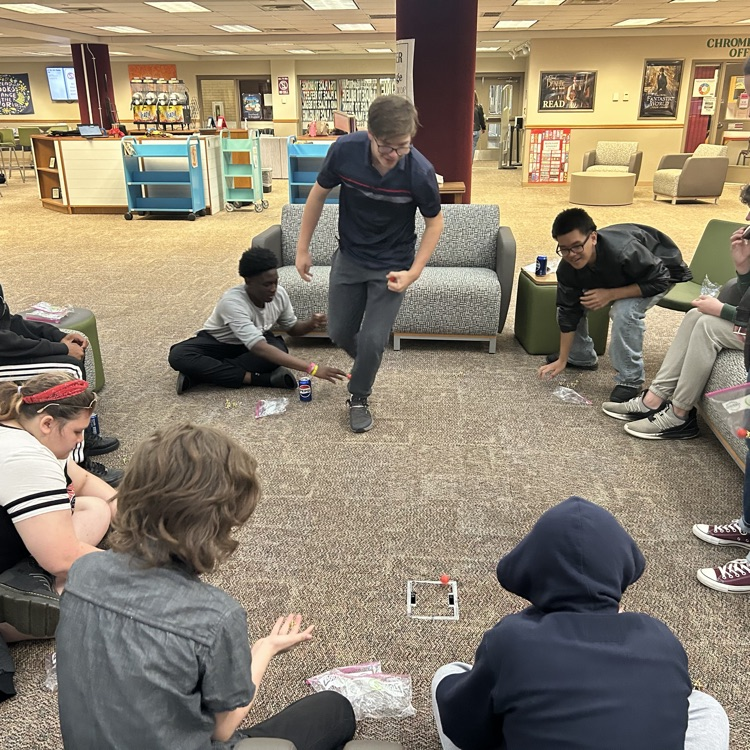
Students brought the energy at today's pep rally! We honored spring sports and played a few fun games to create unforgettable moments. Thank you to everyone who participated and helped make the rally such a success.